Greater Manchester Cancer Alliance
Cervical screening videos for women with learning disabilities: A series of films created by women with learning disabilities and/or autism outlining what you can expect from a cervical screening/smear test.
Finding the right information and support about gynaecological cancers can feel difficult, especially if you face barriers because of language, disability or a lack of tailored resources.
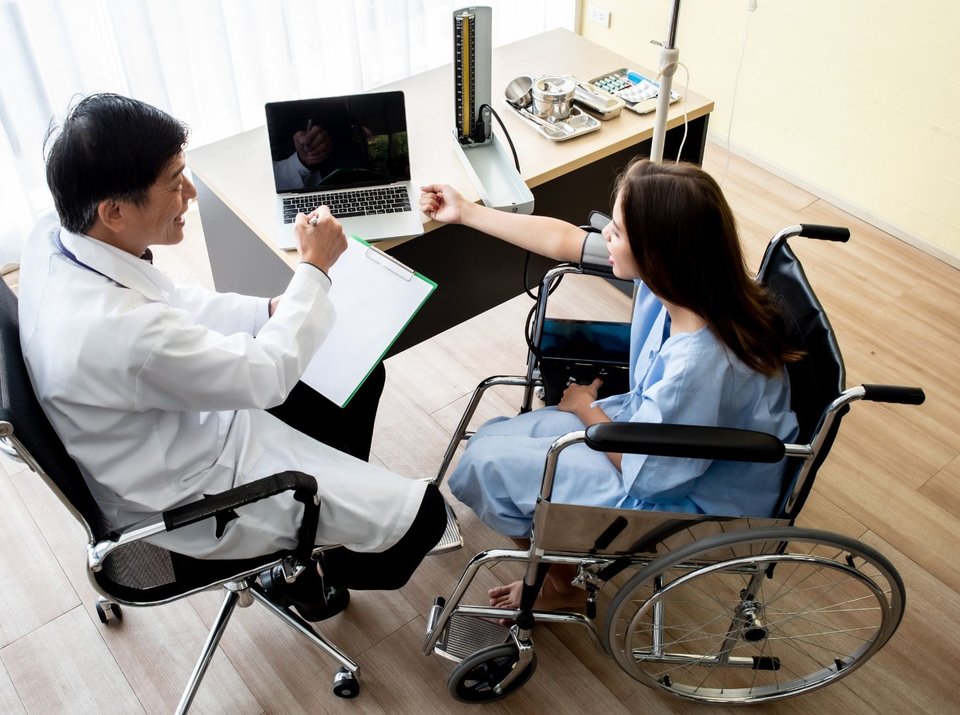
This page brings together trusted information and support designed for women and people from different communities and backgrounds, for example women from different ethnic or religious backgrounds, those with learning disabilities or with physical disabilities.
If you would like to add a resource to this list, please contact us.
Cervical screening videos for women with learning disabilities: A series of films created by women with learning disabilities and/or autism outlining what you can expect from a cervical screening/smear test.
Easy read booklets: An online library which can be searched for easy read resources on gynaecological cancers.
Easy read format – cervical screening guide: A leaflet about cervical screenings/smear tests by and for women with learning disabilities.
Information about a type of cancer called womb cancer: Easy read information on womb cancer.
Information about a type of cancer called vaginal cancer: Easy read information on vaginal cancer.
Information about a type of cancer called vulval cancer: Easy read information on vulval cancer.
Macmillan easy read: Easy read booklets on various issues cancers, including the signs and symptoms of cervical cancer, cervical screenings, and treatments.
Ovarian cancer easy read: Information booklets on the signs and symptoms, screenings, tests and stages of ovarian cancer.
Asian Women Cancer Group (AWCG) is based within the heart of the Asian community and is dedicated to providing support to Asian women who have cancer or are experiencing cancer.
Established by a group of mainly African/Caribbean women, Beyond Cancer provides support and a listening to ear to anyone in Leeds as they navigate a cancer diagnosis, through appointments and treatment.
Cancer support project offering vital help, information, and practical advice for people of colour who have been diagnosed with cancer.
Provides support for all those living with and affected by cancer with a focus on supporting Black people and people of colour.
Black-led organisation set up to eradicate long-standing health inequalities disadvantaging people of Black Caribbean and African heritage.
Provides free professional and expert support to any member of the Jewish community affected by cancer, including family and friends.
A group of volunteers, professional and cancer survivors providing practical and emotional support for cancer patients primarily, but not exclusively, of Chinese ethnic background.
A grassroots, community led charity committed to enhancing the health, education, and wellbeing of individuals experiencing menstrual, maternal and mental health challenges, particularly those from marginalized or culturally diverse backgrounds.
Ovarian Cancer Action - A national charity providing personalised support and information to people affected by ovarian cancer in the UK. Ovarian is working with the Jewish community to prevent ovarian cancer.
Safeena Muslim Cancer Support Network – A national support network providing services specifically for Muslims affected by cancer.
A charity dedicated to addressing cancer inequalities, particularly among Black and Ethnic Minority communities and low-income individuals.
Ovarian cancer information available in Arabic, Bengali, Chinese, Gujarati, Hindi, Polish, Punjabi, Romanian, Urdu and Welsh.
A range of support resources in different formats and languages including easy read, audiobooks, and BSL videos. Support in other formats and languages
UK-based charity dedicated to creating a fair and equal society for disabled people, providing support, information and advocacy.
UK charity with a campaign to highlight the unique health challenges faced by disabled women.
Information about financial support when going through cancer.
Resources on the impact of cancer including benefits, dealing with debt, and insurance.
Provides people affected by cancer with access to a variety of gifts and experiences.
Provides mobile phones and pre-paid SIM cards to those living with cancer, life-threatening conditions, and in poverty, so that they can stay connected to their loved ones, healthcare services, and their communities.
Information and support for those with neurodiversity going through cancer.
Information and tips for on cervical screening for trans and non-binary people.
Information on cancer risk, symptoms and screening for transgender and non-binary people.
Ovarian cancer Information for transgender, non-binary and intersex people.
Supports and advocates for LGBTIQ+ people affected by cancer UK LGBTQIA+ cancer charity.
Supports and advocates for LGBTIQ+ people affected by cancer UK LGBTQIA+ cancer charity: Trans and non-binary info
Supports and advocates for LGBTIQ+ people affected by cancer UK LGBTQIA+ cancer charity: Intersex info
Supports and advocates for LGBTIQ+ people affected by cancer UK LGBTQIA+ cancer charity: Screening
These resources are designed for healthcare professionals to improve accessibility of screenings and cancer care. You may find them helpful to understand the kind of reasonable adjustments that can be made. You may like to pass them on to your healthcare team, GP or nurse to help make your appointments and care more accessible.
Cervical screening for physically disabled women and autistic women: Guidance from the Royal College of Nursing for registered nurses, midwives and nursing associates responsible for providing cervical screening in any setting.
Cervical screening: ideas for improving access and uptake: Guidance to help primary care professionals (eg GPs and nurses) consider specific needs for those needing cervical screenings.
Cervical Screening with Learning Disability – Support Materials for Sample Takers: Materials that have been developed to support women with a learning disability accessing cervical screening.
Tips for Health Care Providers (HCPs) to support patients with extra barriers: Tips for healthcare professionals to support patients with extra barriers – including survivors of sexual violence, trans and non-binary people, and those living with disabilities.
Get information about the five types of gynaecological cancers (cervical cancer, ovarian cancer, womb cancer, vaginal cancer and vulval cancer) and on cervical screening.
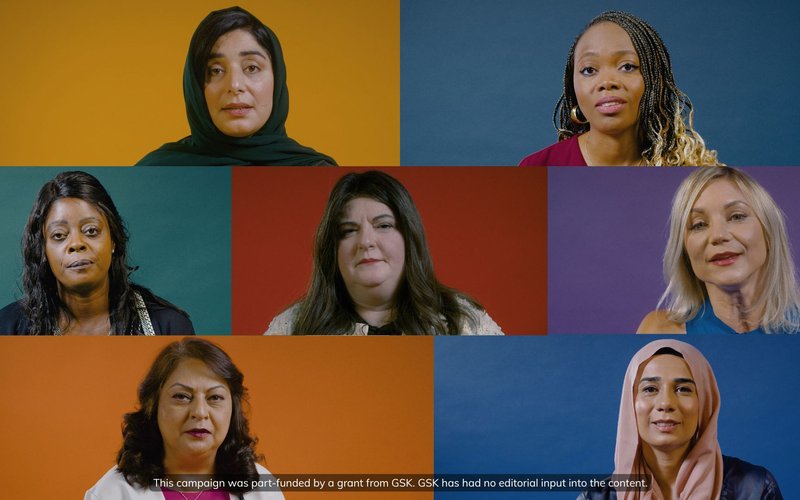
We must break the silence on gynae cancer inequality. Hear from women on the barriers they face to health care and what must be done to address them.

Cervical cancer develops in the cervix. This is the opening of the womb (uterus) into the vagina. There are over 3,200 cases diagnosed every year in the UK.

Ovarian cancer is cancer of the ovaries or fallopian tubes. Around 7,500 women get ovarian cancer in the UK each year.
Most womb cancer starts in the lining of the uterus (womb). Around 9,700 women are diagnosed with womb cancer each year in the UK.