
Home Wellbeing of Women Logo

How do I eat well for the menopause?

Find out how what you eat may help you manage common symptoms of the menopause.

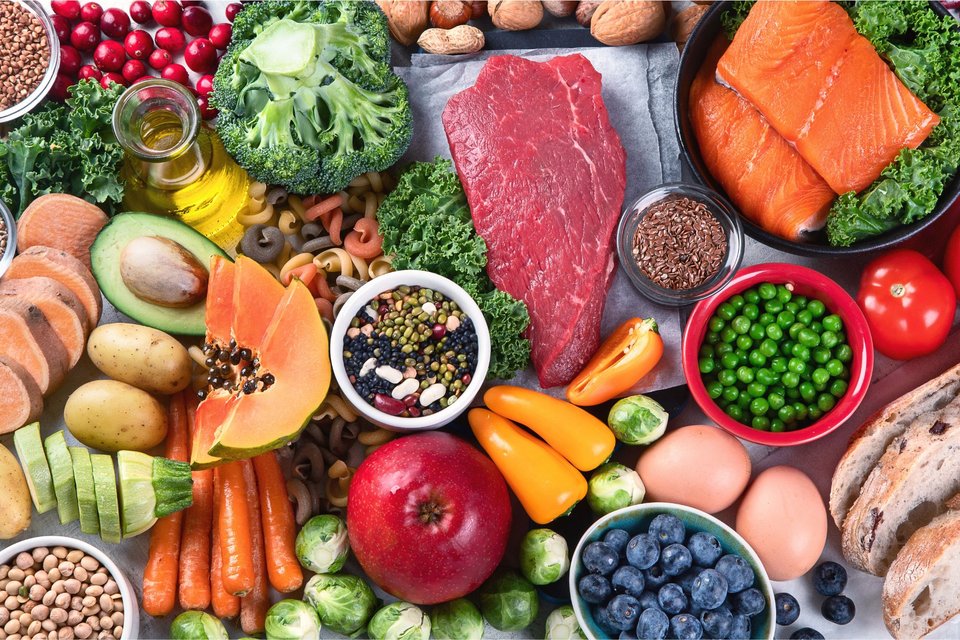
Picture of food examples that can form a balanced diet for the menopause

What is the menopause and perimenopause?

The menopause is when a woman stops having periods. It happens when you run out of eggs and your ovaries stop producing a hormone called oestrogen. It usually happens between the ages of 45 and 55, but for some women, it happens earlier. The average age in the UK is 51.

Perimenopause is when you have symptoms of the menopause, but your periods have not stopped. Perimenopause ends and you reach menopause when you have not had a period for 12 months.

Not everyone will have symptoms. If you do, whether you choose to take treatments such as HRT to manage symptoms of the menopause or not, your lifestyle can help you stay healthy during perimenopause, menopause and beyond.

Find out more about the menopause, perimenopause and symptoms.

What can I eat during the menopause?

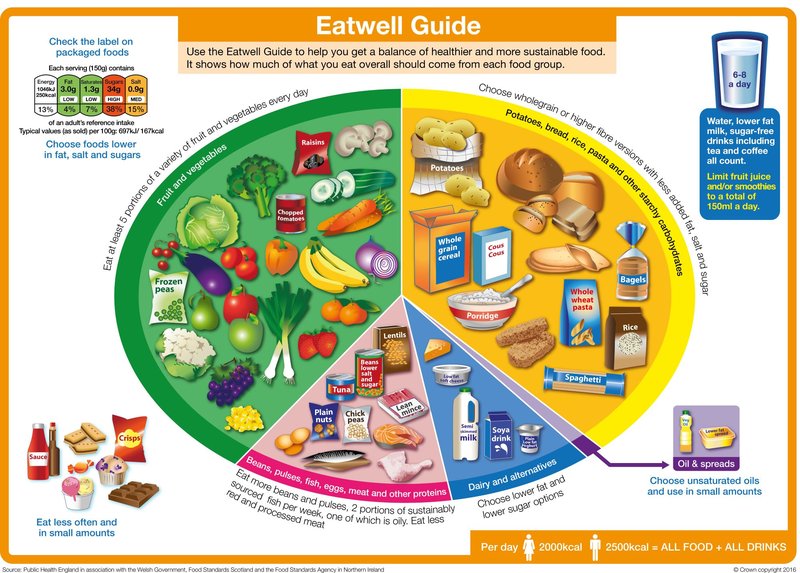
A healthy, balanced diet is important for your overall health. The Eatwell Guide below shows some of the types of food you should generally eat from each food group for a healthy, balanced diet.

An image showing different foods that can form a balanced diet

The NHS has more information about eating well.

A balanced diet is especially important during the menopause; however, you may need to make some simple adjustments to your diet to help you manage your symptoms.

Some changes to your diet can also help reduce the risk of developing conditions such as osteoporosis during the menopause. They can also help you live well during perimenopause, the menopause and beyond.

You may wonder about the following.

Can I eat carbohydrates?

Carbohydrates are a key part of your diet and are important fuel for your body. It’s important to eat them in moderation, aim for a cupped handful at each meal. You should also be mindful of the oils you add to them when cooking and serving them.

Starchy foods are the main source of carbohydrates. They are a good energy source and the main source of a range of nutrients in our diet. As well as starch, they contain fibre, calcium, iron and B vitamins. The Eatwell Guide has examples of starchy foods you can choose from.

Aim to have mostly wholegrain varieties of carbohydrates as part of your diet. These are good sources of fibre.

What are the benefits of fibre?

Fibre has many benefits such as helping with digestion and preventing constipation. Fibre also helps to control blood sugar and blood cholesterol levels. It can also help you feel full which may mean that you eat less. This is particularly helpful if you’re trying to maintain your weight or to lose weight. Fibre can also support heart health during the menopause.

Fibre acts as a sponge so aim to drink lots of fluids, especially water. Without fluid, it can’t do its job, and you may get constipation.

The Eatwell Guide has examples of starchy foods and wholegrain foods.

How much protein do I need during the menopause?

Your body needs protein to make muscle. This is especially important during the menopause as your body may start to lose its muscle mass. A diet with enough protein and regular strength exercise helps to build and maintain muscle. Protein foods also give your body important vitamins and minerals, like iron.

Aim for a portion about the size and thickness of the palm of your hand with every meal. Eating a variety of protein foods helps to ensure that your body gets enough vitamins and minerals.

Protein foods include meat, fish, eggs, tofu, and pulses. The Eatwell Guide has more information about these

If you don’t eat red meat, it’s important to include other sources of iron in your diet. These include eggs, canned sardines and pulses. Iron is especially important during the perimenopause when your periods may become heavy.

How much sugar can I eat?

It’s recommended that adults don’t consume more than 30g of free sugars a day, which is equivalent to 7 cubes of sugar. Free sugars are those added to foods and drinks. They are also found in foods such as honey, syrups and unsweetened fruit juice.

Eating too many free sugars can result in excess energy, which your body stores as fat, and may cause you to gain weight which is more likely to happen as your metabolism slows down during the menopause. It can also increase the risk of developing other conditions such as type 2 diabetes.

Sugar found naturally in milk, fruit and vegetables does not count as free sugars and you don’t have to worry about it. These foods are a good source of vitamins and minerals.

Do I need to worry about my food portions?

Your muscle mass may reduce as you get older. Muscle burns calories so you may need fewer calories as you get older and as your muscle mass reduces during the menopause. Muscle mass reduction can cause you to gain weight. Consuming fewer calories and being mindful of your portion sizes can help prevent weight gain. Physical activity which includes resistance activities is especially important for maintaining a healthy weight and muscle mass.

Can soya help me manage my hot flushes?

There is mixed evidence of the effects of soya-containing foods on hot flushes. Soya contains isoflavones. Isoflavones are a type of phytoestrogen. These are plant oestrogens which are like human oestrogen. These are, however, much weaker than the oestrogen your body produces.

Some women report less severe hot flushes when including soya-containing foods in their diet. Others don’t notice changes after eating soya-containing foods. Making a note of your symptoms over time can help you work out if soya is helping.

Two daily servings of soya into your diet may help you with hot flushes. You can get these from food and drinks such as:

  • 2 x 250ml soya drinks
  • 100g soya mince
  • 100g tofu
  • 100g edamame.

If you have a history of breast cancer, speak to your GP first about how much soya can eat. You’ll need to take soya for 2 to 3 months to see if it will help you manage your menopause symptoms.

Do I need to take any food supplements?

Apart from vitamin D, you should ideally be able to get all the nutrients your body needs if you eat a balanced diet.

Between October and early March, when there’s insufficient sunlight in the UK, it’s recommended that you take a high-quality vitamin D supplement, as per NHS guidelines.

You may also be advised to take a supplement by a healthcare professional, for example, an iron supplement if you develop iron deficiency anaemia due to heavy periods. A healthcare professional may also advise you to take supplements such as vitamin B12 if you’re vegan and you’re unable to get enough through your diet.

If you think you may need additional supplements, it’s a good idea to speak to your pharmacist, GP or dietician, especially if you are taking regular medications.

How can I ease digestive issues?

Some women complain about digestive issues such as bloating, stomach cramps and irritable bowel syndrome (IBS) symptoms during the menopause. Eating a diet rich in fibre may help with this. You can get fibre from foods such as wholemeal bread, potatoes with their skins on and pulses like beans. You can also get fibre from fruit, vegetables, nuts and seeds.

Around 30g of fibre a day is recommended for a healthy balanced diet. If you already have a condition such as IBS, you may need to adjust this amount. A healthcare professional can help you work out how much fibre to take.

Keeping a food and symptom diary can also help you work out which foods might cause you issues. You can also use this to talk to your GP about your symptoms. You should continue to eat a balanced diet and speak to your doctor if you have concerns about any of the foods you eat. You may be able to find examples of medically safe food diaries online.

More information

What is the menopause?

Watch our webinar on Living Well With The Menopause

Book: The Science of Menopause, Understand Your Body Make The Right Choices by Dr Philippa Kaye

Getting support