Is this a better way to test for ectopic pregnancy?
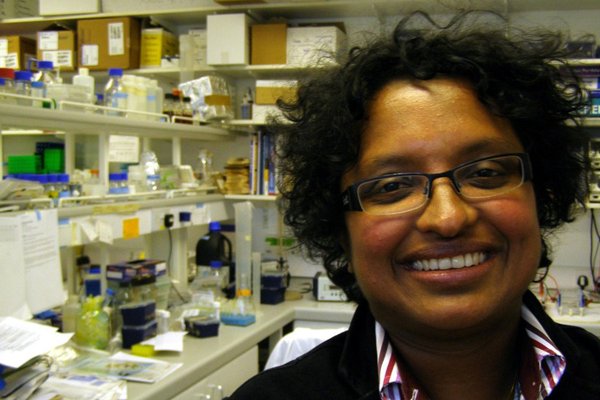
Wellbeing of Women has awarded Professor Dharani K. Hapangama £197,039 to develop a new non-invasive, quick test for this life-threatening condition
An ectopic pregnancy is when a fertilised egg implants itself outside the womb. Sadly, it is not possible to save an ectopic pregnancy. If left untreated an ectopic pregnancy can be life threatening.

An ectopic pregnancy is when a fertilised egg implants in the wrong place.
A fertilised egg usually implants in the main part of the womb (endometrial cavity). An ectopic pregnancy happens when the egg gets stuck outside the endometrial cavity. The growing egg (embryo) is then unlikely to develop properly. Even if it can, this puts your life in danger.
An ectopic pregnancy is usually in one of the fallopian tubes. These are the tubes that carry the egg from your ovaries to your womb.
Sadly, nothing can be done to save the egg and it cannot be moved to the right place. You may need medicine or an operation to remove it before it becomes too dangerous.
This can be a distressing experience. An ectopic pregnancy can be just as upsetting as any other pregnancy loss.
Around 1 in every 90 pregnancies in the UK is ectopic. This is around 11,000 pregnancies each year.
In most cases, no cause is found for an ectopic pregnancy.
However, some things can put you at an increased risk of an ectopic pregnancy. These include
Some women do not have any symptoms of ectopic pregnancy. You may only find out when you go for an early scan.
If you do have symptoms, they usually develop between the 4th and 12th weeks of pregnancy.
As well as a positive pregnancy test, symptoms can include a combination of:
These symptoms are similar to those caused by other conditions, like miscarriage, ongoing normally sited pregnancy, ovarian cysts. It is important to seek help as soon as possible if you have them.
Contact your GP or call NHS 111 if you have any of the symptoms and a positive pregnancy test.
An ectopic pregnancy can be serious, so it is important to be checked.
You may be referred to a specialist clinic for an examination, ultrasound scan or a blood test. This is so an ectopic pregnancy can be confirmed before any treatment starts.
Sometimes, an ectopic pregnancy can grow large enough to split the fallopian tube. This is known as a rupture. It is a medical emergency as a rupture can be life-threatening.
Call 999 for an ambulance or go to your nearest A&E if you experience a combination of:
You’ll need surgery to remove the fallopian tube. Ruptures are not common and are treatable if dealt with quickly.
Sadly, the only way to treat your ectopic pregnancy is to end the pregnancy. Your healthcare team will talk to you about your options.
There are three treatments for an ectopic pregnancy.
Even if you have had a fallopian tube removed, most women will be able to get pregnant again.
If you were treated with the medicine methotrexate, you should wait at least three months before trying to get pregnant again.
If you become pregnant again and have any worrying symptoms, contact your GP or early pregnancy assessment unit (EPAU). They may be able to carry out an early scan to check the pregnancy is growing in the right place.
Having an ectopic pregnancy can have a devastating impact on you and your partner, if you have one. It’s natural to feel lots of different emotions. There are places you can go to get support.
The Ectopic Pregnancy Foundation has a helpline and the Ectopic Pregnancy Trust has support groups.
Other organisations include the Miscarriage Association and Cruse Bereavement Support.
As a women’s health charity, part of what we do is fund research to save and change the lives of women, girls and babies.
As a women’s health charity, part of what we do is fund research to save and change the lives of women, girls and babies.
We are funding research to develop a new test to diagnose ectopic pregnancy more quickly and easily. Right now, tests can be time consuming and may involve surgery – we hope that our research will get rid of the need for surgery. This will mean women who have an ectopic pregnancy will get the care and treatment they need much sooner.

A miscarriage is a pregnancy loss before 24 weeks of pregnancy.
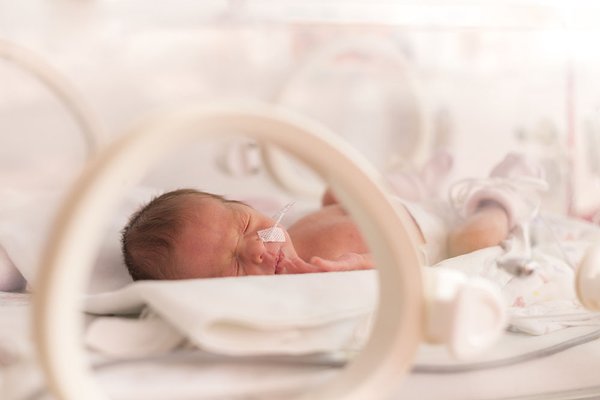
Premature birth is when you give birth early - before you’re 37 weeks pregnant. It is also called preterm birth or premature labour. Some people have a higher chance of an early birth. Support is available if your baby’s born early.
It’s common to have mental health problems during or after pregnancy. Your midwife or doctor is there to support you. There are also ways to look after your own wellbeing.