Breaking the silence on gynae cancer inequality
21 women and people die every day from a gynae cancer in the UK. But it isn’t equal for all. Many marginalised groups experience worse health outcomes. (This campaign was part-funded by a grant from GSK. GSK has had no editorial input into the content.)
Inequalities within the health system mean that women from marginalised backgrounds are less likely to be diagnosed early and receive the right care, which can lead to preventable deaths.
We must break the silence and make sure all women get the help they need.
Hear their stories
Our health system is failing to meet the needs of underserved communities - particularly for gynae cancers. There’s not enough representation of diverse women – in research, in medicine, in positions of power.
Dr Nighat Arif
Too many women and people can’t access information tailored to their needs, struggle to navigate care, and have a long-standing mistrust in the health system.
This needs to change.
Hundreds of grassroots organisations up and down the country are running pilots, sharing information, bridging the health gap and coming up with innovative solutions.
Help us to highlight the inequalities and platform the solutions and organisations working in this space – so that more women and people get help sooner, and we save more lives.
Help raise awareness by sharing our campaign videos
Get support and information today
Access support and resources for underserved groups in our health information hub.
Join the Health Collective
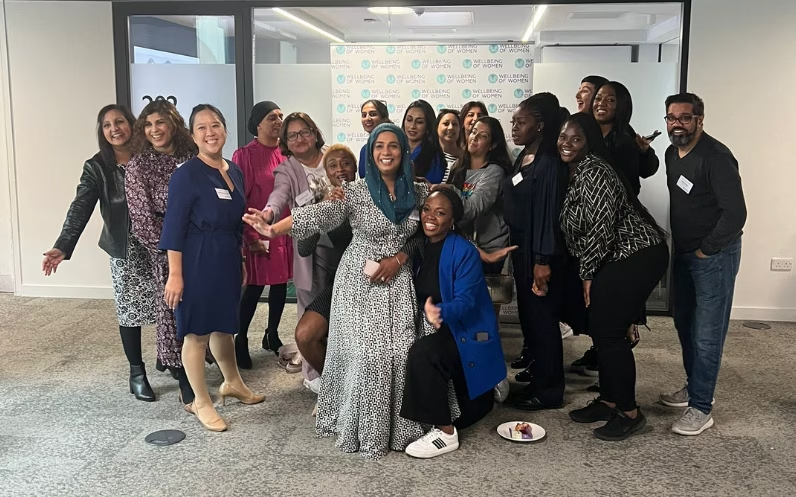
If you are a grassroots org working in this area, join our Health Collective, which works to overcome barriers to women’s health in marginalised communities.
Lived experience experts
ADHD and autism
For lots of people it's not as simple as just walking through the door for an appointment. Neurodiverse women might have a lot of anxiety just stepping into a hospital or a doctors’ surgery.
Sarah Mair
Experience of ADHD and autism
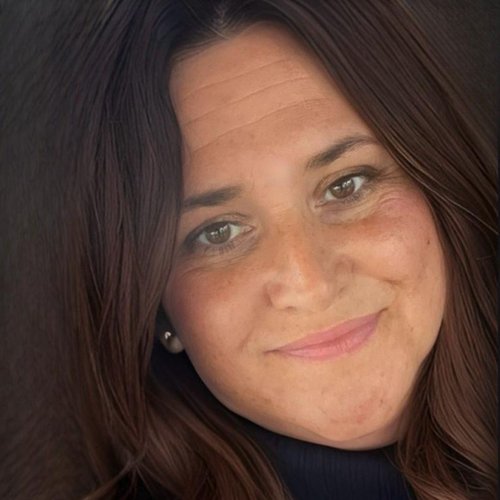
"We can spend a long time preparing for appointments, so need space to ask questions, to see what the building looks like, know who we’re meeting and exactly what will happen when we arrive."
Deafblind
A deafblind woman often cannot read NHS letters including her appointment letters as these are always in small print.
Shared by Deaf-initely Women
Experience of being deafblind
"Attending a gynae appointment presents big challenges for me as I have to arrange transport and a Personal Assistant to accompany me to the appointment. I also miss my name being called out too. While the staff are polite and professional, more could be done to improve deaf and deafblind women’s access to gynae services."
Learning disability
Attending medical appointment can be really difficult for me. I find it hard to understand medical letters because they often contain jargon and I don’t understand medical language.
Mary, DIVAS
Experience of learning disability
"I can’t always get to appointments early in the morning because I rely on public transport. I don’t always understand what information is given to me, and I need time to process information and ask questions. It is scary and stressful to me and I often can’t remember information. Doctors, consultants, receptionists and nurses don’t take time to understand my needs or listen to me. If people took more time to understand my needs it would make it easier for everyone. If medical letters were sent in an easier read format and I was given time to ask questions, it would be really helpful."
This campaign has been funded by GSK, they were not involved in its development.