

Home Wellbeing of Women Logo

Attitudes to contraception in the UK: ethnic minority and religious perspectives

A landmark study by Fatima Nasiru Nabage and supervisor Dr Becky Mawson of the DeepEnd Research Alliance at University of Sheffield offers guidance for better conversations about contraception. Illustrations by Cara Holland.

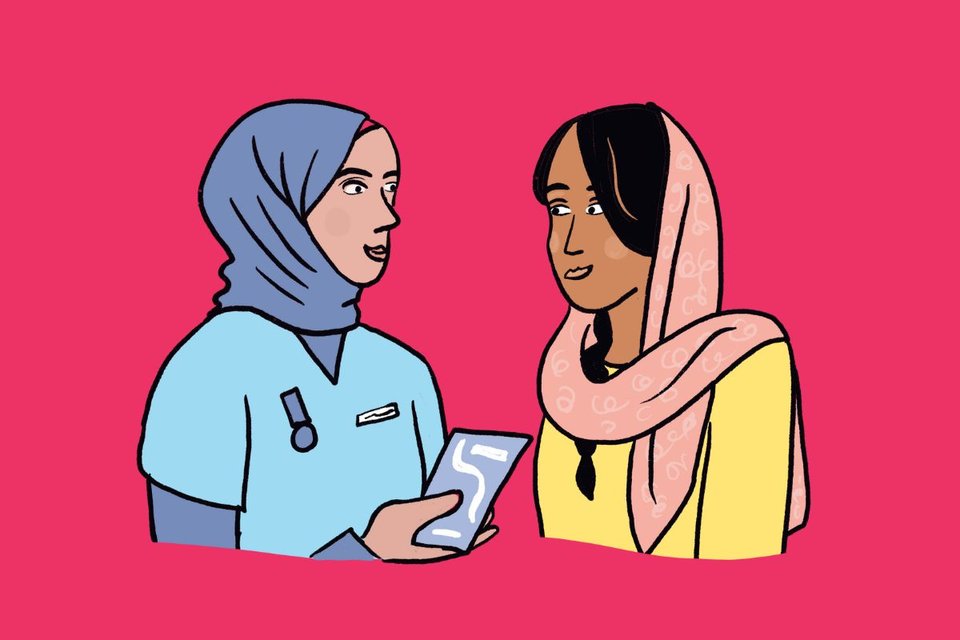
illustration of ethnic healthcare provider in discussion with woman in headscarf

The overview

Women have a right to choose what form of contraception, if any, works best for them.

Accessing birth control, or contraception, is one way that women can exercise this right, but using it effectively depends on many things: age, education and socioeconomic background all play into whether a person can get the support they need. Contraception is available for free in the UK, but information about whether all women can access it is lacking.

Equally, decisions about contraception should never be imposed on women. Women’s health history is plagued by racialised abuses of power, from pressure to use contraception to forced sterilisation without patients' knowledge. A new chapter in medicine is long overdue.

Meanwhile, religion, ethnicity and cultural norms play vital roles in decisions about birth control and family planning – but are too often ignored in medical research and clinical practice.

A complicated history

For something as personal as contraception, the combination of sexism, historical racism, medical mistreatment, an absence of good data and a lack of cultural sensitivity all mean that potentially millions of women from ethnic minority backgrounds in the UK cannot access the care they deserve. UK government health advice suggests that ‘additional support’ is needed, but provides little guidance on what this means in practice.

Cultural context plays a huge role in questions of family planning and sexual health, and it’s essential that healthcare providers in the UK understand the context of the women they treat. Fatima Nasiru Nabage Wellbeing of Women Entry Level Scholarship Grantholder

A better understanding

A crucial piece of the puzzle relates to contraception’s side effects. We know that different women respond in unique ways to the same kinds of contraception, but the data is lacking on if, and how, these experiences change according to things like ethnicity or religion. In 2023 Fatima received an Entry Level Scholarship from Wellbeing of Women, in partnership with the College of Sexual and Reproductive Healthcare, to investigate how personal, cultural, religious, and medical factors come together to shape women's reproductive health journeys.

Supervised by Dr Becky Mawson at University of Sheffield, as part of the DeepEnd Research Alliance, Fatima interviewed over 30 women from Somaliland/Somalia, Yemen, Algeria, Aseb, Libya, Nigeria, and Pakistan about their experience of contraception. She identified four interconnected themes:

  • Severe Side Effects: Women said they experienced many more side effects than what doctors had told them to expect. “I wasn’t myself anymore”, reported one participant.
  • Poor Communication: "They laughed and said, 'You people like big families.’ That made me feel so small.” Women reported feeling misunderstood, unheard, and rushed during consultations, with advice often seen as generic, culturally insensitive, or entirely inappropriate to their circumstances and values.
  • Navigating Complex Belief Systems: "In our faith, blood must flow naturally. When it stays inside, you feel like something is not right with your body—spiritually and physically." Healthcare professionals demonstrated poor understanding of how the Islamic faith, cultural traditions, and modern contraceptive practices all influence one another as part of decision making about reproduction, meaning crucial influences on decision-making were often disregarded.
  • Multiple barriers: "I was still bleeding…and they are asking me what contraception I want.” Language barriers, poor timing of conversations about contraception and pressure on women to justify their experience at moments of vulnerability added up to more than the sum of their parts in disadvantages for ethnic minority women in the UK.

These themes show the complexity of experience around contraception, and highlight the need for healthcare providers to understand cultural, religious and medical factors as interrelated.

Looking forward

Some of Fatima's findings have already been published in a new report from Wellbeing of Women and the College of Sexual and Reproductive Healthcare on contraception after a baby. Posters and leaflets were also co-designed and produced with the women in the study and illustrator Cara Holland, of Graphic Change. Cara's illustrations are included in the report, and the finished educational materials will be available for use in GP practices, maternity clinics and community sexual health centres, with local services already committed to using them.

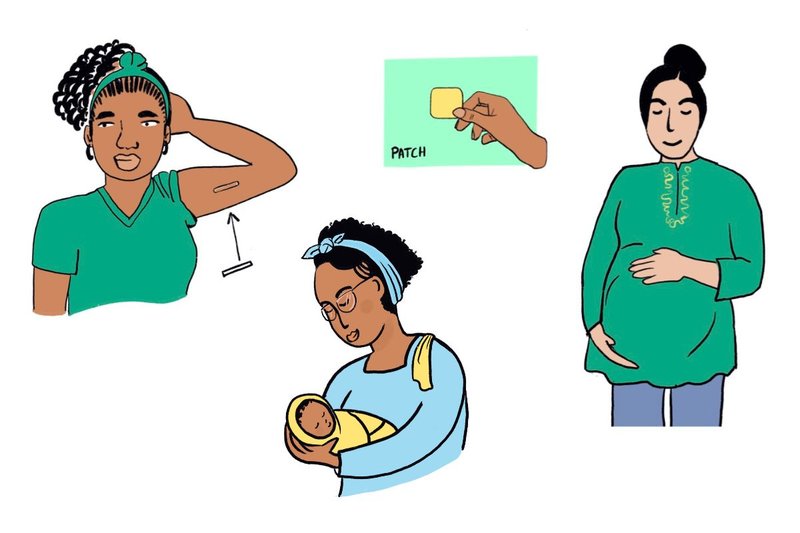
illustrations of contraception with ethnic women figures
Educational graphics co-designed by illustrator Cara Holland (Graphic Change) and study participants

Fatima's vision

Fatima said, “My goal is to understand and tackle the deep-rooted barriers that prevent women from accessing the quality care they deserve - and create powerful strategies to empower women and improve their healthcare options. Cultural context plays a huge role in questions of family planning and sexual health, and it’s essential that healthcare providers in the UK understand the context of the women they treat. Doing so leads to more effective care overall. This Entry Level Scholarship is just the first step in my ambitions to improve the healthcare available to all women.”

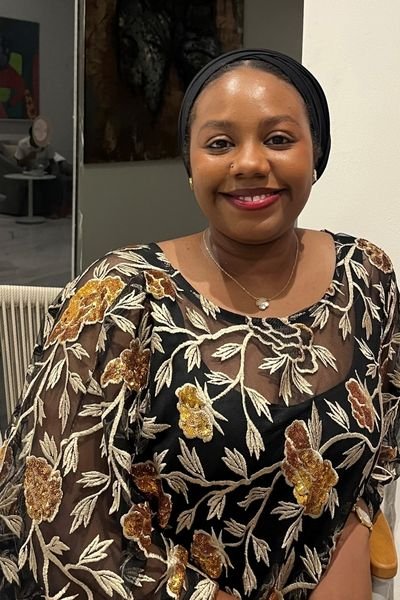
Wellbeing of Women researcher Fatima Nasiru Nabage