Home Wellbeing of Women Logo

‘Being under’ during birth: Improving care for people who experience caesarean section birth with general anaesthetic

Wellbeing of Women has invested nearly £300,000 in midwife Michelle Anderson’s PhD exploring how general anaesthetic caesarean birth affects parental mental health, infant bonding and family relationships - and how we can better support them.

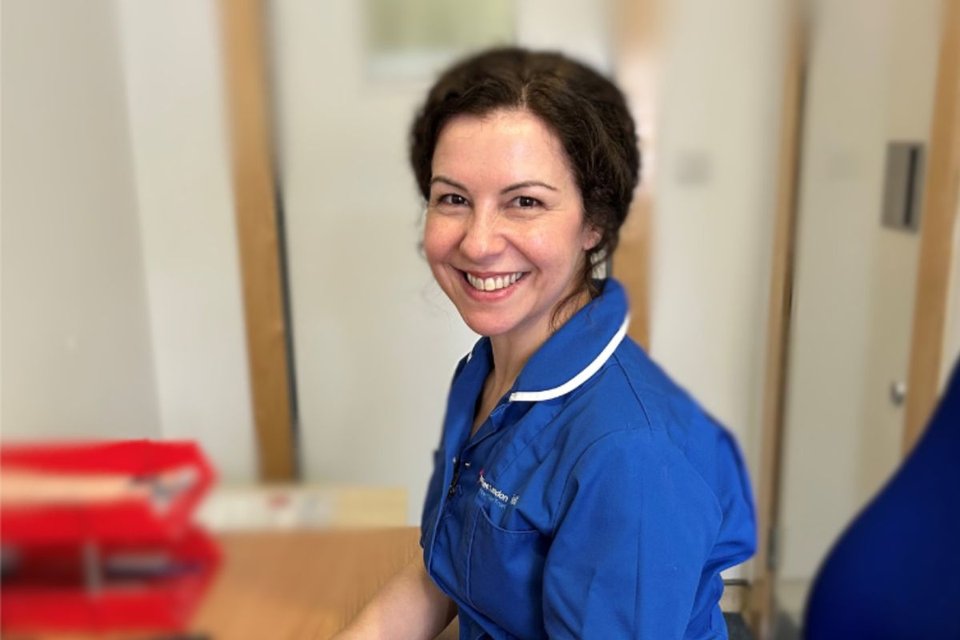
Midwife Michelle Anderson sitting at her desk in blue midwife uniform and smiling

The overview

Modern medicine offers a safety net for women and babies during pregnancy and birth when things go wrong. In cases of extreme risk, some women need general anaesthetic, or to be ‘put to sleep’, for birth. But research is very limited on the effects of this scenario for women and their babies, as well as their partners and husbands. There is currently no guidance for this scenario in the NHS.

About C-section in birth

Most babies in the UK are born vaginally, via the birth canal from their mother’s womb. But 1 in 3 babies are born via caesarean section – CS, for short – where the baby is removed surgically from the womb.

Shifting practices in birth care

The way that doctors perform this surgery has changed drastically since the technology was invented. For example, it used to be the norm for babies to go directly from a caesarean delivery to the newborn or intensive care unit. But research has shown the importance of skin-to-skin contact for bonding, among other important factors, so women are now given time to be with their babies immediately after delivery where possible.

It also used to be the case that CS were always done with general anaesthetic, meaning the mother was fully unconscious. But with the invention of the epidural, most women can now remain awake during CS surgery.

About general anaesthetic in caesarean births

In cases where a baby needs to be delivered quickly, however – for example, when there is an issue with the placenta or the baby’s in severe distress and there isn’t time for an epidural – general anaesthetic is used. General anaesthetic takes effect much more quickly than an epidural so is used when surgeons need to act fast - usually in an emergency.

There is not enough clinical guidance on how best to support women and their families after this type of birth, and this urgently needs to change. Michelle Anderson, Lead Research Midwife, Royal Free London

Since people under GA are unconscious, it can be traumatic for both parents not to be there consciously/physically for the birth of their child (partners are often not able to be present in this scenario). It is important to understand what support families need after this type of birth, because as yet, there is no current guidance for the NHS.

What is the research?

Research midwife Michelle Anderson is changing that. Over the course of her WoW-funded PhD, Michelle will bring together her time as a clinical midwife with her research expertise to build a much better picture of the support available to women during and after challenging births – and how to improve it.

The NHS currently collects information about the impact of birth on mental health and infant bonding. Separately, we know which women had emergency CS or were admitted to the ICU. But because this information is collected separately, very little is known (on paper) about the effect of this scenario on women and their families. In other words, we know that emergency CS and ending up in the ICU can be traumatic, but we don’t have the data to show it.

Michelle will combine related datasets and conduct surveys with women to build a much clearer picture of the psychological effects of experiencing a general anaesthetic caesarean birth, with or without ICU admission, on mothers’ mental health and how they bond with their newborns.

She will then interview women and partners/husbands to understand the wider effects of having general anaesthetic during birth, and in some cases being admitted to ICU.

Led by women’s voices

Women’s voices are at the centre of Michelle’s research. Her public and patients’ involvement groups have been instrumental in shaping the project going forward. In fact, Michelle has changed the name of her study to more accurately reflect the voices of the very people her research is about –and it is now called The GABI Study: General Anaesthetic at BIrth.

About Michelle

Michelle Anderson is Lead Research Midwife at the Royal Free London with over 10 years of clinical midwifery experience. She is completing her PhD at King’s College London under an incredible team of clinical psychologists and academic midwives passionate about improving care available to all women. As Practice Development Midwife, Michelle supported the consultant midwife with the ‘birth options’ clinic for pregnant women who had a previous caesarean section, which included those who had difficult births, or who have a particular fear of birth. Her experience in the clinic inspired her to pursue research in the field.

Michelle said, ‘The motivation for this work is to improve support for families who experience a GA caesarean birth. I have spoken to many women and partners about their experiences, and it continually reinforces how important this research is. There is not enough clinical guidance on how best to support women and their families after this type of birth, and this urgently needs to change. I hope that this research will contribute to developing pathways for trauma informed care for families who have been through this experience’.