
Reforming Abortion Law
Telemedical abortions - or ‘pills by post’ - were introduced in England and Wales in 2020 in response to Covid-19 and have improved abortion access for many, but there are still major gaps in our knowledge of whether they work for everyone


Abortion is an essential part of sexual and reproductive healthcare. Through telemedicine, patients whose pregnancy is under 10 weeks’ gestation and who do not need an ultrasound scan can have an appointment with their abortion provider over a phone or video call. They then receive abortion pills through the post and use them at home. Overall, this process is referred to as telemedical abortion, or ‘pills by post’.
Telemedicine has proven to be a safe, effective alternative to in-person abortion care... but there are gaps in our knowledge.
‘Pills by post’ was first introduced in England and Wales as a Covid measure in 2020. This essential service was made permanent in March 2022, and has improved abortion access for many of the 200,000 women and girls who need an abortion each year.
Telemedicine has proven to be a safe, effective alternative to in-person abortion care. It can spare patients long and expensive journeys to a clinic and offer better privacy and comfort, and patients report a high-level of satisfaction with the service. Telemedicine abortion is also more affordable, saving the NHS an estimated £3 million per year. Most importantly, being able to access abortion as early as possible - and as late as necessary - is crucial for women to have the best chance at overall health and wellbeing.
But there are gaps in our knowledge about potential challenges and barriers to telemedical abortion care. For example, some patients may face language barriers or may be living with a disability that makes phone appointments more difficult, and others may live in areas with limited phone service. A phone appointment and pills by post might increase privacy and comfort for some but not be suitable for those living in shared housing or multi-generational households. These issues affect people from different ethnic, religious and economic backgrounds in unique ways.
Telemedical abortion is also not available to every patient in England and Wales. There has been patchy implementation of the service, as not every abortion provider makes it available to their patients. This leads to inequalities between different areas of the country and may create a ‘postcode lottery’. To improve the quality of overall healthcare provided in the UK these factors need to be much better understood.
This project will bring together what we already know about telemedicine in England and Wales with new data to see if any groups of patients are currently being left behind.
Rebecca Blaylock’s Wellbeing of Women and NIHR-funded PhD research aims to fill in these gaps and improve the quality of healthcare available to all.
A critical public health scientist by training, Rebecca Blaylock will bring together her experience in anthropology and public health to understand how telemedicine services have impacted patients across England and Wales. She will also draw on her experience of working for the UK’s largest abortion provider, British Pregnancy Advisory Service (BPAS), where she has been the Research & Engagement Lead since 2018.
Her project will bring together what we already know about telemedicine in England and Wales with new data, to see whether ‘pills by post’ has changed when people tend to get abortions, and how this varies by age, ethnicity and socioeconomic status. By collecting this information, she will be able to identify if any groups of patients are currently being left behind.
Rebecca will then interview women from different communities and areas of England and Wales to identify their needs – for example, women and girls living in poverty and from certain ethnic minority groups. Rebecca’s project also brings together patients and abortion providers in a process to help coproduce her work, helping to build a more well-rounded understanding of the issues faced by both patients and the people that care for them, and make sure the project meets their needs.
Those who need abortion services are at the centre of Rebecca Blaylock’s research, and her goal is to turn that research as quickly as possible into direct and meaningful improvements for patients. If successful, this could have a nationwide impact on making sure abortion services are accessible and meet the needs of everyone – ensuring no-one is left behind.
Despite the rapidly growing evidence base on the safety...of telemedical abortion, there is currently no evidence on how accessible and equitable this new service is, or how the massive changes we’ve seen in abortion provision since 2020 have impacted the accessibility and equity of abortion services more broadly.
Ms Rebecca Blaylock
Wellbeing of Women / NIHR Researcher
Rebecca Blaylock said, "Telemedicine has removed barriers, which has increased abortion access for some. Despite the rapidly growing evidence base on the safety, efficacy, and acceptability of telemedical abortion, there is currently no evidence on how accessible and equitable this new service is, or how the massive changes we’ve seen in abortion provision since 2020 have impacted the accessibility and equity of abortion services more broadly – my study aims to address that gap."
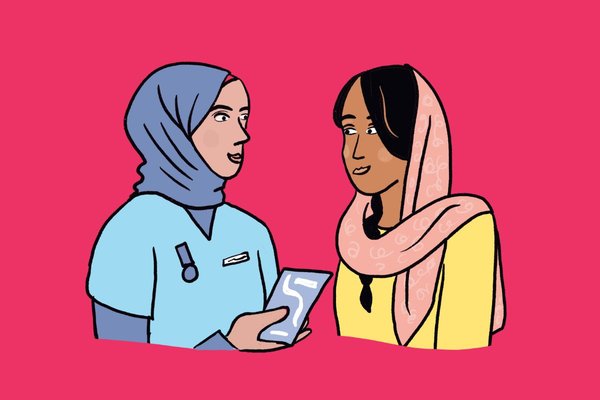
A landmark study by Fatima Nasiru Nabage and supervisor Dr Becky Mawson of the DeepEnd Research Alliance at University of Sheffield offers guidance for better conversations about contraception. Illustrations by Cara Holland.
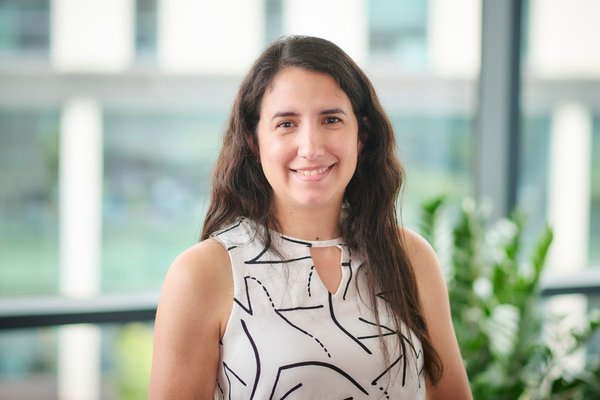
Wellbeing of Women, in partnership with the British Gynaecological Cancer Society (BGCS), are funding new work by Dr Shimrit Mayer at the CRUK Cambridge Institute on improving the outlook for ovarian cancer patients
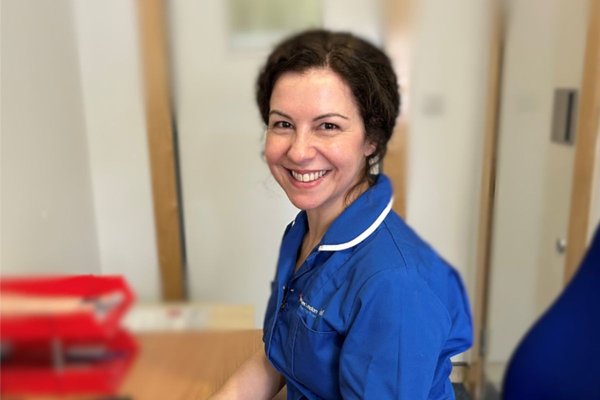
Wellbeing of Women has invested nearly £300,000 in midwife Michelle Anderson’s PhD exploring how general anaesthetic caesarean birth affects parental mental health, infant bonding and family relationships - and how we can better support them.