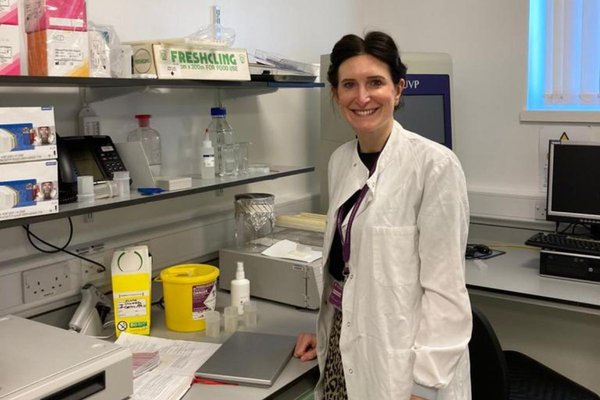
Women's Health Highlight: Dr Nicola Tempest on stem cells, the womb and the future of fertility
Wellbeing of Women researcher Dr Nicola Tempest is shedding new light on the womb and updating scientific knowledge on women’s health
The team at University College London and their collaborators are bringing together women and healthcare providers to decide where research should go next.

Even in the simplest of cases, female fertility is a complex topic. The ability – or desire – to get pregnant depends on factors as wide-ranging as genetics and the environment, to questions of social, economic and emotional readiness. Many medical conditions that affect the ovaries or womb have treatments that impact a woman’s ability to become pregnant. In particular, the rise of cancer among younger women – and more women surviving cancer long-term - is forcing more women to delay their pregnancies.
The need [for fertility preservation] is growing exponentially and it’s essential to consider the gaps in scientific and ethical knowledge – and which are highest priority for research.
Fortunately, new technologies mean that there are more options than ever for women who want - or need - to preserve their fertility. Right now, there are two main methods:
And more options, such as ovarian tissue freezing, are in the pipeline.
It’s an exciting step-change. Fertility preservation gives women more choice over their reproductive futures and also has broader impacts on gender equality and benefits to society overall. The need is growing exponentially and it’s essential to consider the gaps in scientific and ethical knowledge – and which are highest priority for research.
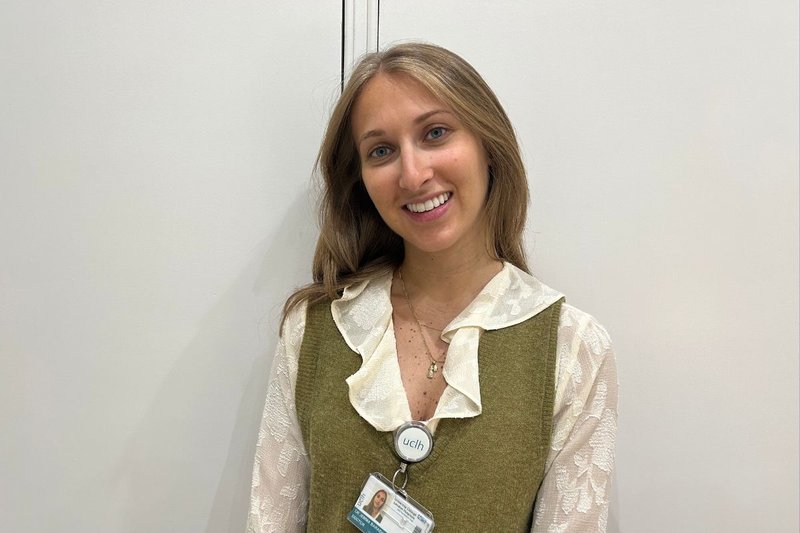
This exciting collaborative project, led by Dr Hajra Khattak and delivered by Dr Jemma Barash at the world-renowned UCL Institute for Women’s Health, will help determine what matters most to people when considering whether to preserve their fertility. The dynamic team at UCL have established a “Priority Setting Partnership”, or PSP, - a type of research project to see what important questions are most pressing in a particular area.
In women’s health, where there are many unknowns, it’s crucial to take time to thoughtfully ask the question: what should we research?
The PSP process was set up by the James Lind Alliance in 2004. Inspired by the Scottish naval surgeon James Lind, who helped cure the Royal Navy of scurvy, its mission was to ‘bring patients and practicing clinicians together in a new way to identify and address the most important uncertainties they face about the effects of care and treatments’.
Importantly, the perspectives and ideas of those with lived experience are combined with the perspective and knowledge of healthcare professionals in this type of research. Together, their professional and lived expertise is used to create a list of ‘top 10’ research priorities, which then shapes future research on the topic globally.
This project puts those with lived experience and their priorities at the centre of research into female fertility preservation.
Dr Jemma Barash
Clinical Research Fellow, UCL
Dr Barash and the team at UCL will use the process already set out by the JLA, and used in over 150 other projects, to produce a list of top priorities in female fertility preservation.
Their project is called the PRESERVE partnership, and they will bring together several different groups of people, including medical experts and people considering fertility preservation, as well as professional organisations like the British Fertility Society.
The team at UCL said: “The decision of if - and if so, when - to have a baby affects most women at some point in their lives, and this research has the potential to impact millions of women worldwide. This project puts those with lived experience and their priorities at the centre of research into female fertility preservation and allows researchers and funders to strategically channel time and money to questions that matter most to the people they affect.”
You can take part in their research by filling out this survey: PRESERVE PARTNERSHIP
Wellbeing of Women researcher Dr Nicola Tempest is shedding new light on the womb and updating scientific knowledge on women’s health
Wellbeing of Women has invested £4,800 into Dr Heather Garthwaite’s research into whether an invasive test is the best way of determining whether a woman going through fertility treatment is at risk of having a multiple pregnancy
Wellbeing of Women has invested £192,724 into Dr Jane Cleal’s research into understanding why some women struggle to become pregnant or experience miscarriage