Preventing womb cancer: new tools offer new hope
Wellbeing of Women researcher and NIHR Clinical Lecturer, Dr Sarah Kitson, has brought new insights to women for understanding – and reducing - their risk of womb cancer
Dr Geoffrey Maher and collaborators at Imperial have received nearly £300,000 from Wellbeing of Women to help women with a rare type of placental cancer – and their families.
The placenta is a temporary organ that helps the baby develop during a pregnancy. Some cells from the placenta remain in the patient’s womb following a pregnancy - this is usually not a problem - but in rare cases these cells can become cancerous. Most of these cancers (which together are known as gestational trophoblastic neoplasia, or GTN for short) are curable. However, two rare types that represent just 5% of GTN cases account for almost all deaths.
If these cancers are found early, women have a good chance of survival, but if found later (4 years or more since the pregnancy) the survival chances go drastically down.
Some women are diagnosed with an unusual cluster of cells that have the potential to develop into these cancers. Currently there is no way to predict which patients will develop cancer and which will not, so all patients are recommended to have a hysterectomy (womb-removal). Womb-removal is a serious surgery that comes with risks and takes away a women’s chance of future pregnancies.
Why is this research needed?
Since many women are of child-bearing age when they receive this news, it’s a huge decision with many factors to consider – and chance of survival is an important piece of information for an informed decision.
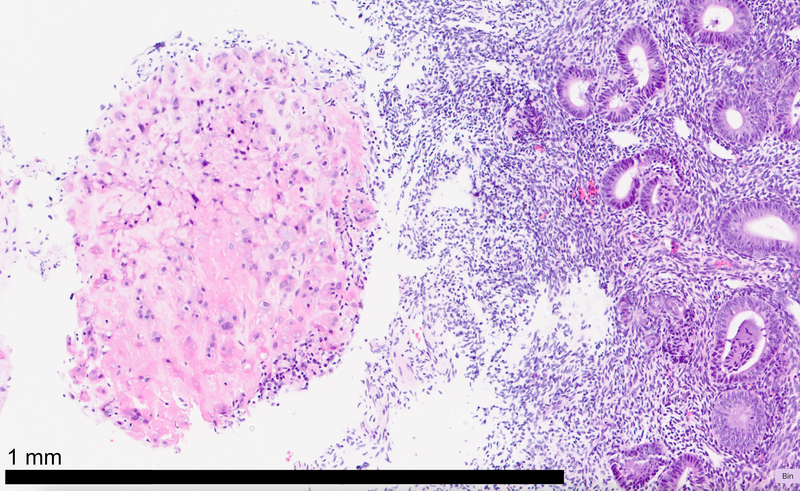
For every one patient with unusual clusters that develops a cancer, there are five that do not – yet all patients are recommended to have womb-removal surgery. Identifying those not at risk will reduce their anxiety related to uncertain diagnosis/risk and avoid the need for womb-removal, preserving their fertility.
For patients diagnosed with a deadly GTN, the only way to determine someone's chances of survival is to know how long it's been since the pregnancy that 'caused' the cancer.
If someone has had multiple pregnancies, the only way to be sure is to genetically test the tumour and then test samples from each pregnancy. This is technically challenging and only done in few hospitals worldwide. Additionally, navigating this information - about which pregnancy, or which one of your children, ‘caused’ cancer can come with significant emotional and mental challenges. A different way to determine chances of survival and the best treatment strategy is much needed.
Dr Maher and his team are figuring out how to personalise this process to better support the individual needs of affected women. They've already shown that there is a gene that is turned on in the dangerous types of GTN and that it's possible to predict risk from taking only tumour samples, rather than samples from tumours and past pregnancies.
Now, they plan to see if these early, very promising results can be turned into a reliable, widely available test for women at risk of developing the deadliest types of placental cancer.
This could mean that up to 85% of affected women are spared unnecessary surgeries, fertility loss, and the distress of gaining information at the expense of their (and their family’s) mental or emotional wellbeing.
Dr Maher is the lead genetic scientist in the UK’s GTN service and leading a team of highly qualified international experts in GTN research and clinical treatment. Dr Baljeet Kaur is the regional lead for GTN pathology and provides a crucial link between lab and clinical research. Dr Ehsan Ghorani is a CRUK Clinician Scientist with expertise in GTN and a wealth of clinical experience, grounding the project in pursuing insights that will have the most meaning and value to real patients. Professor Michael Seckl is the head of the National Charing Cross Gestational Trophoblastic Disease (GTD) Service and the recognised world leader in the management of this group of diseases.
Together, this incredible team have long-term ambitions to refine and scale the diagnosis and treatment options for women suffering from this rare and utterly life-changing condition.
Of the research they said, "The ability to predict a woman’s risk of GTN from a patient sample is very promising. We see the impact of testing on women and their families, and hope that by developing simple tests we can offer improved and personalised care as part of routine practice. We ultimately hope these tests are implemented not only in the UK but worldwide and that every patient has access to personalised care.”
Wellbeing of Women researcher and NIHR Clinical Lecturer, Dr Sarah Kitson, has brought new insights to women for understanding – and reducing - their risk of womb cancer
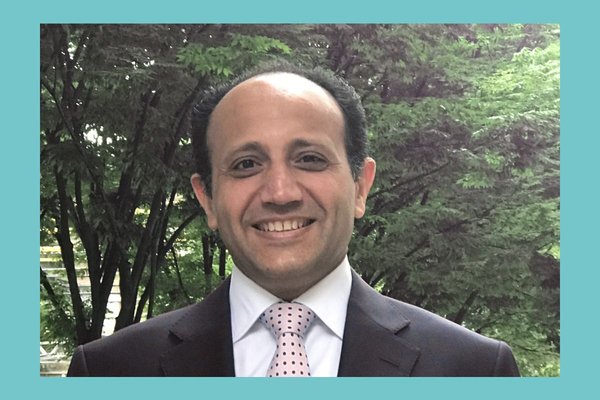
Funded by Wellbeing of Women, Professor Ahmed will use genetic analysis and a tool called “The Oxford Classic” to predict how well patients will respond to normal cancer treatment – or whether they should be offered different treatments sooner.
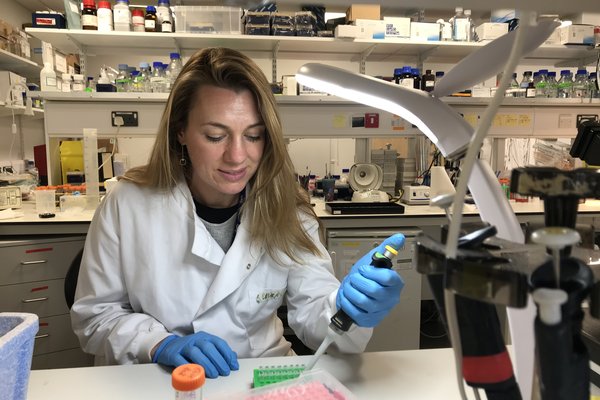
Funded by Wellbeing of Women, Dr Sarah McClelland has been investigating why some of the most common ovarian cancers become resistant to chemotherapy