Cervical cancer
Cervical cancer develops in the cervix. This is the opening of the womb (uterus) into the vagina. There are over 3,200 cases diagnosed every year in the UK.
Every year, over 22,000 people in the UK are diagnosed with gynaecological cancers, which affect the female reproductive system. This September, we’re sharing ways to lower your risk, and how our research is helping to improve diagnosis, treatment and prevention of these cancers.
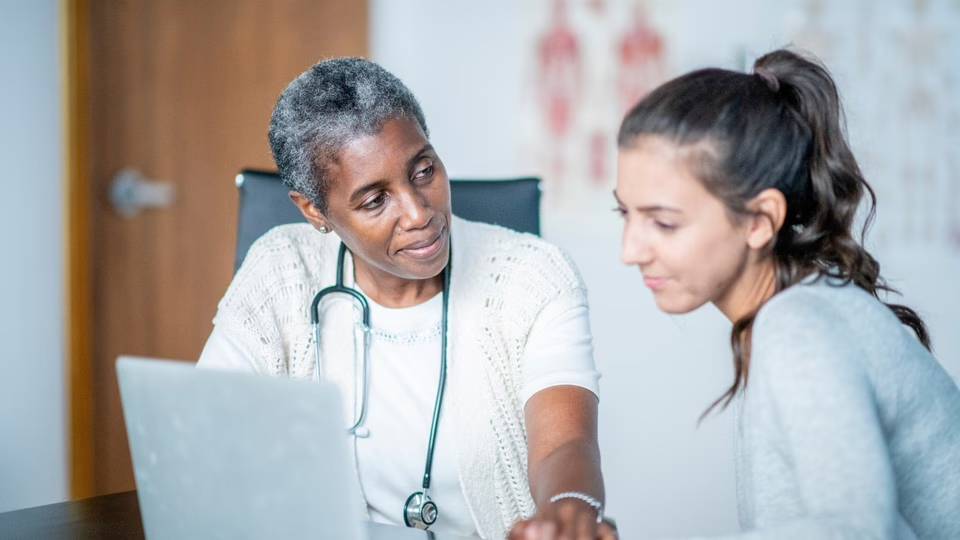
Whether you or someone you love has a diagnosis, or you want to know how to prevent gynae cancers and spot the signs early, learning more is an important step.
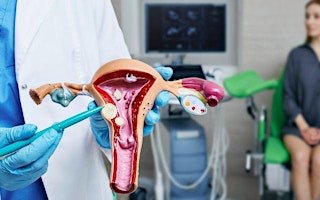
Join us this Gynae Cancer Awareness Month as we ask the question, can we prevent gynaecological cancer? We’ll discuss the symptoms, how to reduce your risk, screenings that are available, and how to make sure screenings are accessible to all.
Cervical cancer develops in the cervix. This is the opening of the womb (uterus) into the vagina. There are over 3,200 cases diagnosed every year in the UK.
Ovarian cancer is cancer of the ovaries or fallopian tubes. Around 7,500 women get ovarian cancer in the UK each year.
Most womb cancer starts in the lining of the uterus (womb). Around 9,700 women are diagnosed with womb cancer each year in the UK.
Vaginal cancer is a cancer that starts in the vagina. It’s a rare cancer, with only 250 cases diagnosed each year in the UK.
The vulva is the external part of the female genitals, around the opening of the vagina. There are around 1,400 new cases in the UK every year.
Women aged between 25 and 64, and people with a cervix, should be invited to have regular cervical cancer screenings. It’s important that you attend. Early diagnosis saves lives.
This year, there have been updates on how and when you will be invited to your screening, so we’ve put together everything you need to know in a handy guide.
Prevention, early detection and identifying effective treatments saves lives. Our researchers are at the forefront of developing tests, understanding risk factors for women developing gynae cancers, and finding ways to ensure the right treatments are used at the right time.
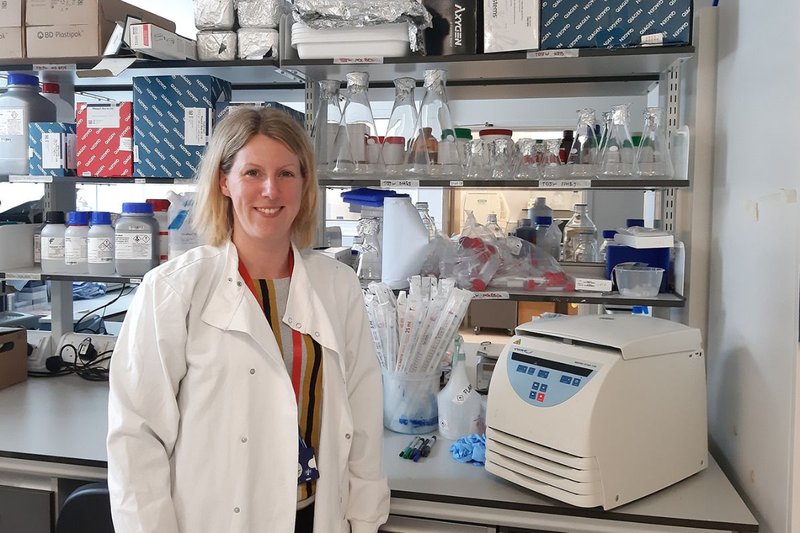
Seven women die each day from womb cancer, and cases are on the rise. Wellbeing of Women researcher and NIHR Clinical Lecturer, Dr Sarah Kitson is thinking big to help women at risk of womb cancer.
Using health information from the UK Biobank, Dr Kitson analysed the genetic and health information of over 220,000 women, to examine the relationship between a woman's health history and womb cancer. She has now created a way to identify which women are more likely to get womb cancer in the next 10 years. If used widely by GPs, this new tool could cut the number of women receiving late-stage - or even preventable - diagnoses by up to 60%, which could save thousands of lives.
We know that having knowledge and choices are essential for women to feel in control of their health. I hope my research improves the options available to women ... and leads to a reduction in preventable cases of womb cancer.
Dr Sarah Kitson
Wellbeing of Women researcher and NIHR Clinical Lecturer, University of Manchester
Our research helped pave the way to significant advancements in the prevention of cervical cancer.
We funded one of the first pieces of research to confirm the link between HPV infection and cervical cancer, a link that ultimately led to the screening programme and HPV vaccine which has seen a 63% decrease in cervical cancers.
Your support is essential in helping us fund critical cancer research. With your help, we can continue to push the boundaries of what's possible and improve outcomes for women with gynaecological cancers.


Our Big Give Christmas Appeal is live! Help us fight back against cancer this Christmas!
Gynaecological cancers affect thousands of women every year, yet many remain unaware of the risks and symptoms. Every year, more than 19,000 new cases are diagnosed in the UK.