Home Wellbeing of Women Logo

Engineering new treatments for ovarian cancer

Professor Sophia Karagiannis and her collaborators at King’s College London have received nearly £300,000 from Wellbeing of Women to continue their ground-breaking work engineering new treatments for ovarian cancer.

Research snapshot

Sophia Karagiannis and the research team at King’s College London are developing cutting-edge treatments for ovarian cancer. These treatments modify tiny but vitally important structures in the immune system - antibodies.

If successful, Sophia Karagiannis and her lab will be able to offer women diagnosed with ovarian cancer a new and potentially more effective treatment.

About ovarian cancer

Ovarian cancer is notoriously difficult to treat and sadly, for many women, the cancer comes back, usually more resistant to treatment. This is one of the reasons why survival rates are still so low – fewer than 4 in 10 women with ovarian cancer will survive beyond 10 years.

Researchers have been trying to find more effective ways to treat ovarian cancer for decades, with notable success in an approach broadly referred to as 'immunotherapy'.

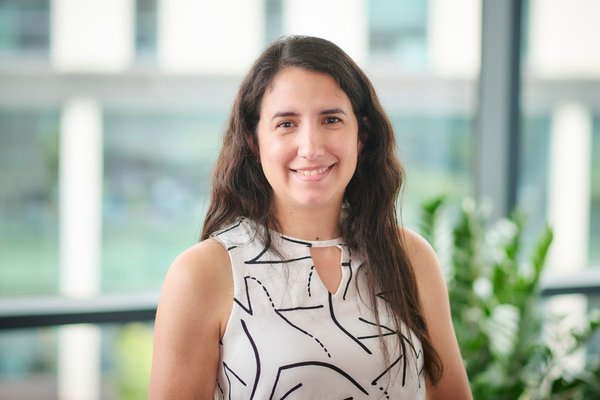
Professor Sophia Karagiannis, Principal Investigator and Professor of Translational Cancer Immunology and Immunotherapy at King's College London

What is immunotherapy?

Immunotherapy is often billed as 'using the body's natural defences to fight cancer', but in fact refers to any treatments, interventions or techniques that affect the body’s immune system.

What are antibodies?

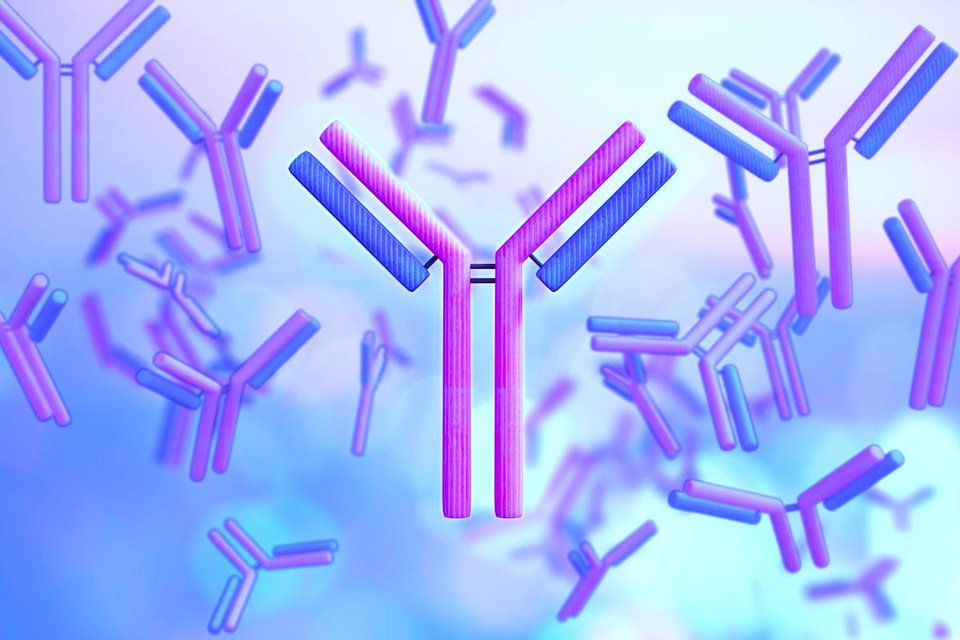
Our body’s immune system recognises harmful substances thanks to small structures called antibodies. Little Y-shaped proteins, they travel in the blood and can go anywhere in the body.

We can think of these miniscule proteins shaped like a tree with two branches. The leaves on the branches (on the arms of the Y) recognise and cling to anything that could be a threat – like cancer cells. Meanwhile, the roots (on the trunk of the Y) send the message of the threat onwards to the rest of the immune system. This ‘root system’ recruits other cells in the body to fight invaders and other dangers to protect us.

Unfortunately, as cancer cells evolve from ‘normal’ cells, they can be difficult for antibodies to spot as dangerous. A lot of past research has focused specifically on the branches of the Y, hoping we can teach antibodies to better to recognise cancer. But even if they are recognised at first, many cancers go on to ‘trick’ the body into ignoring them, or even helping the cancer grow, so treatments that take a different approach are needed.

Engineering new treatments for ovarian cancer

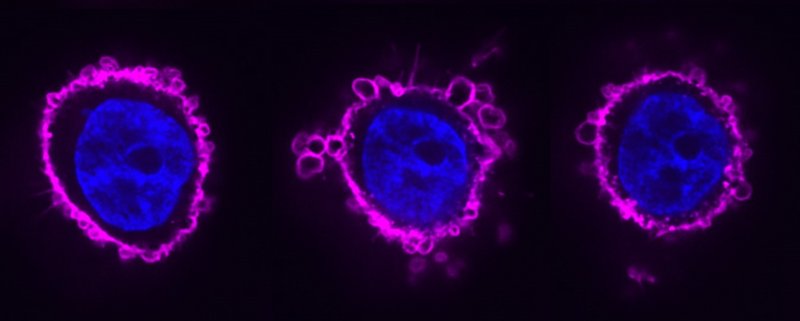
Antibodies binding onto cancer cells. Image credit: Professor Sophia Karagiannis

Enter Professor Sophia Karagiannis and her lab. Past research has shown that some cells are more effective than others when it comes to fighting cancer. Her team has already shown that it’s possible to engineer antibodies with a modified trunk to attract more of a particularly helpful type of cancer-destroying cell – Natural Killer cells.

In addition, they’ve shown it’s possible to give new instructions to another type of immune cell, called macrophages, that are more easily summoned by antibodies. The lab has shown it's possible to turn them from cells that tolerate cancer to recognising cancer cells as a threat. And macrophages are a good cell to have in the armoury – they can destroy cancer cells and stimulate a wider defence response.

This type of treatment has been successfully designed for other types of cancer in the past, and Sophia Karagiannis and her team are paving the way for important advancements (and similar hopes) for women with ovarian cancer.

About the research team

This project brings together a trio of experts in immunotherapy development and clinical treatment: Professor Sophia Karagiannis, Principal Investigator and Professor of Translational Cancer Immunology and Immunotherapy; Dr Alicia Chenoweth, expert in antibody science and educational advocacy, who is responsible for designing the current project; and Dr Debra Josephs, a Consultant Medical Oncologist with extensive experience bringing novel antibody immunotherapy research into the clinic. The team also work closely with Dr Rebecca Kristeleit, Consultant Medical Oncologist and Adjunct Reader, who specialises in gynaecology oncology clinical trials of novel therapeutic agents.

We are striving to break new ground in the design of therapies that harness the patient’s immune cells in ways that current treatments are unable to do. Professor Sophia Karagiannis Principal Investigator and Professor of Translational Cancer Immunology and Immunotherapy at King's College London

They said, "We are striving to break new ground in the design of therapies that harness the patient’s immune cells in ways that current treatments are unable to do. These therapies have helped patients with other forms of cancer, therefore, our mission is to bring a new, powerful therapy from the lab to patients with ovarian cancer."

Together they have an incredible wealth of experience and dedication to bringing new technology to patients as efficiently as possible.

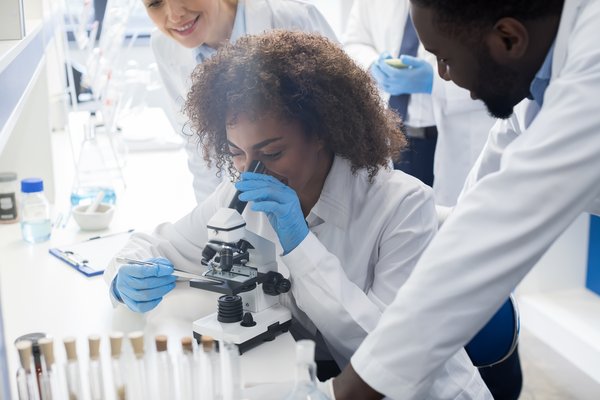
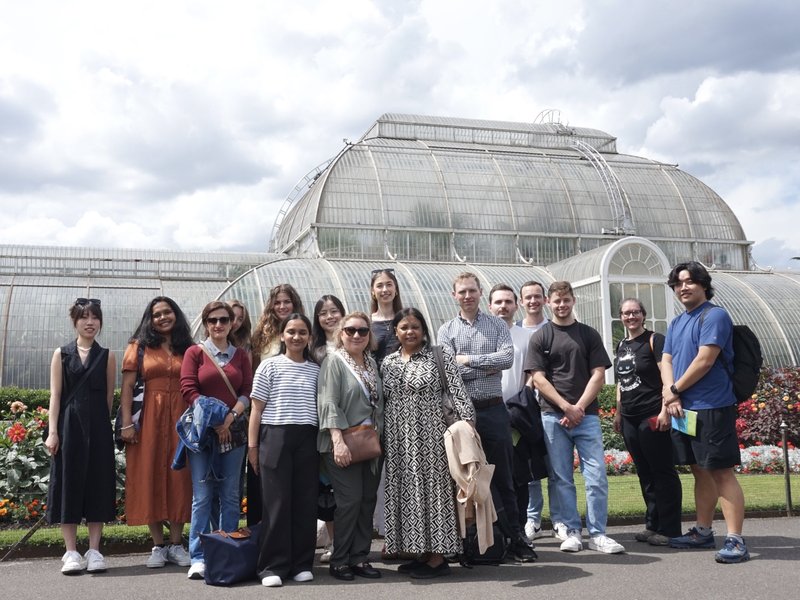
Professor Sophia Karagiannis' research team