
Ovarian cancer
Funded by Wellbeing of Women, Professor Ahmed will use genetic analysis and a tool called “The Oxford Classic” to predict how well patients will respond to normal cancer treatment – or whether they should be offered different treatments sooner.
In the UK roughly 7500 women are diagnosed with ovarian cancer each year. It is one of the rarer cancers to affect women and its survival rates are disproportionately low: only 45% of women survive beyond 5 years after being diagnosed. It is most common in women aged 75-79 and often diagnosed after the cancer has spread to other parts of the body, making it especially difficult to treat.
There are many types of ovarian cancer and they don't all respond well to the same treatment. Ovarian cancer is usually treated with a combination of surgery and chemotherapy, which works for some women, but not all. In some cases, the cancer is diagnosed after the cancer has spread; in others, and for reasons researchers don’t fully understand, certain cancers are more likely to spread or are simply more resistant to treatment in the first place.
When cancer spreads, the cells undergo changes in their shape and behaviour to help them move seamlessly and adapt to a new environment. If cells have undergone this change, it becomes more likely that standard treatments won’t be effective.
Sometimes it's possible – as soon as someone is diagnosed with cancer - to test how it will respond to different treatments. This helps healthcare providers determine the best treatment strategy for that particular cancer. But for many patients with ovarian cancer these tests may not work at all.
Therefore, a new test is needed - one that can predict whether cancer is likely to respond to treatment, and how likely that cancer is to spread.
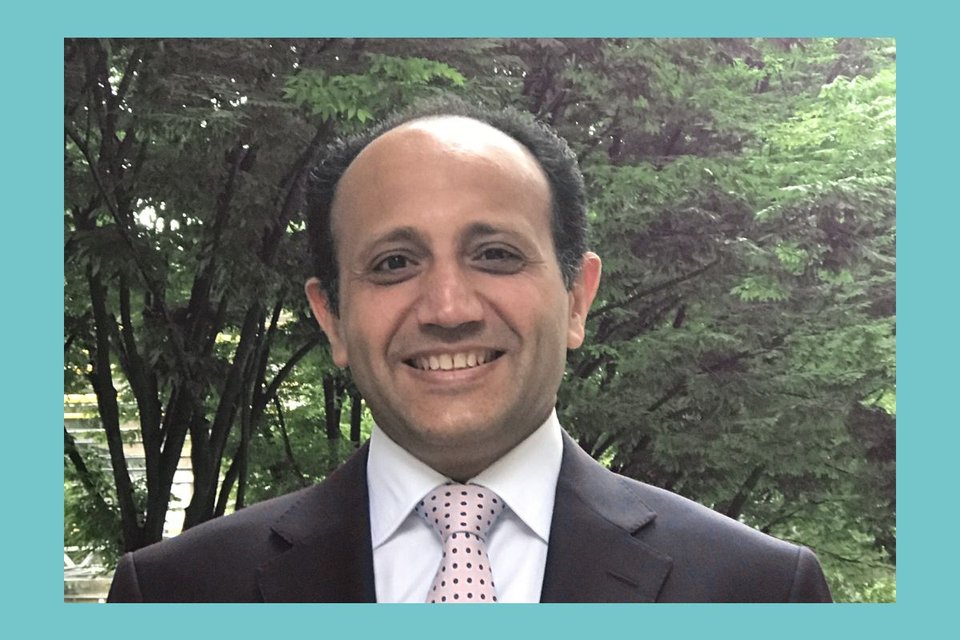
Professor Ahmed Ahmed is Professor of Gynaecological Oncology at the University of Oxford and Director of the Ovarian Cancer Cell Lab at the Weatherall Institute of Molecular Medicine (Medical Research Council).
With over 20 years' of experience in cutting edge women’s health research, Professor Ahmed is hoping to improve the chances of survival for all women diagnosed with ovarian cancer.
Past research done at Oxford has mapped the types of ovarian cancer and shown that, using detailed genetic analysis, it is possible to see whether cancer is likely to spread or resist treatment. Professor Ahmed and his team now want to see if this genetic tool – called “The Oxford Classic” - can help to determine whether new or experimental treatments should be added or offered to help these patients.
The researchers will then combine the Oxford Classic with further data analysis to develop a new tool for predicting outcomes, called the “The EMT Prognostic Index”. This combined tool will help predict if ovarian cancer patients are likely to respond to treatment and other outcomes – like how long a patient is likely to survive. By predicting survival times, clinicians could identify which patients are at highest risk and use this information to make critical decisions about the treatment that is offered.
If successful, this important study will enable us to significantly improve the treatment choices available to women diagnosed with Serous Ovarian Cancer.
Dr Ahmed Ahmed
Professor of Gynaecological Oncology at the University of Oxford and Director of the Ovarian Cancer Cell Lab at the Weatherall Institute of Molecular Medicine (Medical Research Council)
Information like this is invaluable for helping women with ovarian cancer and their healthcare providers make vital decisions around their care.
You can stay up to date research from Professor Ahmed's lab and new ovarian cancer insights here: MRC Weatherall Institute for Molecular Medicine

Dr Geoffrey Maher and collaborators at Imperial have received nearly £300,000 from Wellbeing of Women to help women with a rare type of placental cancer – and their families.
Wellbeing of Women researcher and NIHR Clinical Lecturer, Dr Sarah Kitson, has brought new insights to women for understanding – and reducing - their risk of womb cancer
Funded by Wellbeing of Women, Dr Sarah McClelland has been investigating why some of the most common ovarian cancers become resistant to chemotherapy