Home Wellbeing of Women Logo

Unlocking the cellular structure of ovarian cancer tumours

Wellbeing of Women, in partnership with the British Gynaecological Cancer Society (BGCS), are funding new work by Dr Shimrit Mayer at the CRUK Cambridge Institute on improving the outlook for ovarian cancer patients

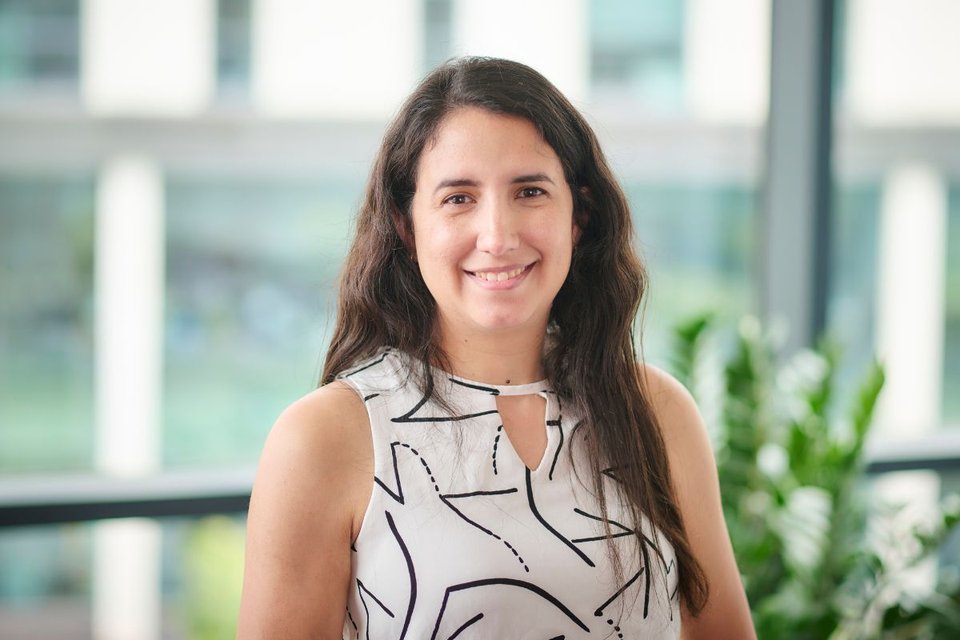
Researcher Shimrit Mayer smiling

Overview

Ovarian cancer is a major health issue and one of the leading causes of cancer-related deaths among women. It is often diagnosed at a late stage, which makes it much harder to treat.

Supported by a Wellbeing of Women-BGCS Postdoctoral Fellowship, Dr Shimrit Mayer is analysing over 900 ovarian tumours to better understand their cellular organisation and develop more effective treatments for cancer.

My motivation is anchored in the certainty that we can genuinely improve the life expectancy and quality of life for ovarian cancer patients. Dr Shimrit Mayer Postdoctoral Research Associate, CRUK Cambridge Institute

About ovarian cancer

Ovarian cancer is notoriously difficult to treat. Over 75% of women with ovarian cancer discover that the cancer comes back, usually more resistant to treatment. This is one of the reasons why survival rates are so low for ovarian cancer – fewer than 4 in 10 women who are diagnosed will survive beyond 10 years.

Researchers have been trying to find more effective ways to treat ovarian cancer for decades, with a growing focus on the areas surrounding ovarian cancer tumours. Tumour growth involves many kinds of cells, not just cancer cells. This complex cellular ecosystem is called the tumour microenvironment (TME) and is crucial for understanding ovarian cancer and how to treat it, but not enough is known about it.

A new system to personalise treatment

Shimrit is focusing on the changes that happen in tumours of different ovarian cancer types and when the disease spreads (metastasises) to other organs, with the goal of improving how we diagnose and treat ovarian cancer.

Current methods for diagnosing and treating ovarian cancer do not always consider the complexity of the TME, meaning that treatments are not as effective as they could be.

How will the research be conducted?

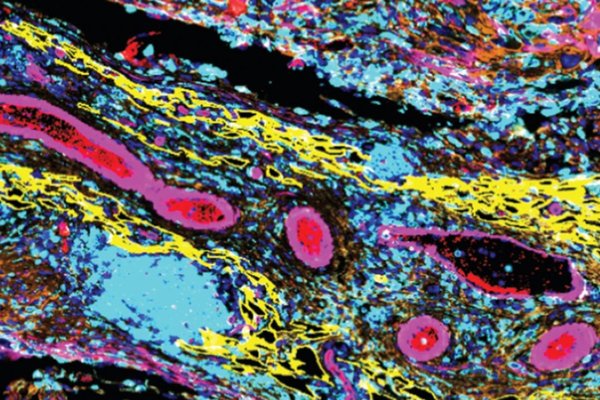
Shimrit will analyse tumour samples from 970 women using a cutting-edge technique called Imaging Mass Cytometry. Imaging Mass Cytometry, or IMC, allows researchers to produce incredibly high-quality images of tumour samples. By using this technique, and applying some large-scale maths to the data, Shimrit hopes to identify the types of cells present within individual tumours, their arrangement and how they interact with their surroundings.

These insights will then be cross-referenced with clinical information about patients' survival, treatment responses, and medical histories. This approach will help Shimrit to understand the relationship between tumour structure and patient outcomes – and potential pathways to more effective treatments for ovarian cancer.

About Dr Shimrit Mayer

Dr Shimrit Mayer has extensive experience in studying the complex structure and behaviour of various cancers. She earned her PhD in 2023 studying cell behaviour in tumour ecosystems and developing her expertise in experimental large dataset analysis.

She is now applying her expertise in TME analysis to advance scientific knowledge of ovarian cancer and its treatment. Based at the Cancer Research UK Cambridge Institute, she will be supervised by a leading expert in Imaging Mass Cytometry – Dr Raza Ali.

Funded in partnership with the British Gynaecological Cancer Society.


Three questions with Dr Shimrit Mayer

What motivates you to do your research?

My motivation is anchored in the certainty that we can genuinely improve the life expectancy and quality of life for ovarian cancer patients. Given that this disease currently presents with some of the worst outcomes and treatment success has largely plateaued, there is a clear and urgent demand to push the boundaries of scientific inquiry to find better solutions.

What is the most exciting aspect of the project to you?

The most exciting aspect of this project is gaining a truly comprehensive, new understanding of ovarian cancer's complexity. This insight reveals changes in the tumour's structure that can explain why the disease is unresponsive to current treatments, providing us with the strategic intelligence needed to tackle the disease from multiple, entirely new angles. By discovering new ways to treat cancer, our findings could help not only ovarian cancer patients but also give us clues for treating other types of cancer.

What outcomes are you most hopeful for?

I am most hopeful that the spatial atlas we are building will directly benefit new patients. Our atlas is designed to pinpoint specific therapeutic targets and biological markers within their tumours. By doing this, we can move away from generalised treatments and help clinicians choose the most promising, novel therapies for each individual, offering a personalised path forward.