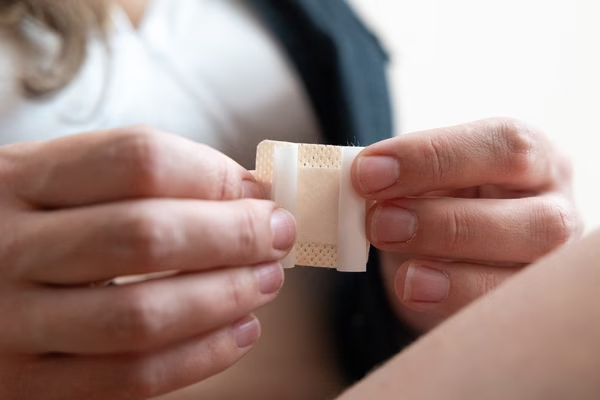
Hormone replacement therapy (HRT)
If you’re wondering whether what you’re experiencing is normal or what support is available to manage symptoms, find the information you need with our menopause information hub.
Here we have information to help you understand the changes happening in your body, how they may affect you and what you can do to manage them.
You can also find stories shared by women about their experience of menopause and how they navigated this change.
Our hub provides you with all the information you need to live well through perimenopause and menopause.
This project has been supported by a financial grant from Bayer Plc. Bayer Plc has had no involvement whatsoever in the development or implementation of the project.
Menopause officially starts when you have no periods for 12 months. It usually occurs between the ages of 45 to 55, but it can happen much earlier.
Perimenopause is the time before your periods stop where you experience symptoms of menopause.
Early menopause is when you stop having periods before the age of 45.
Premature menopause is when you stop having periods before the age of 40.
Get the essential information about the menopause here.
Learn about the hormonal changes that occur during the menopause and how they can affect your body and mind with Hormonall, our free, online learning modules created with Vichy. It just takes 15 minutes.
Despite being a key treatment option for perimenopause and menopause, less than 1 in 5 women of menopausal age are on Hormone Replacement Therapy (HRT), and this figure drastically reduces for Black and Asian women. Find out more about HRT and if it could help you.


Webinar: Menopause and HRT - Fact and fiction

No one should be left to cope and navigate the menopause in silence. We want to make sure all women know when and how to get help, and that starts with breaking the stigma and talking about it.
Symptoms of menopause, like anxiety, brain fog and muscle pain, can have a huge impact on quality of life. But there are many ways that symptoms can be improved, from medical treatments, to exercise and nutrition.



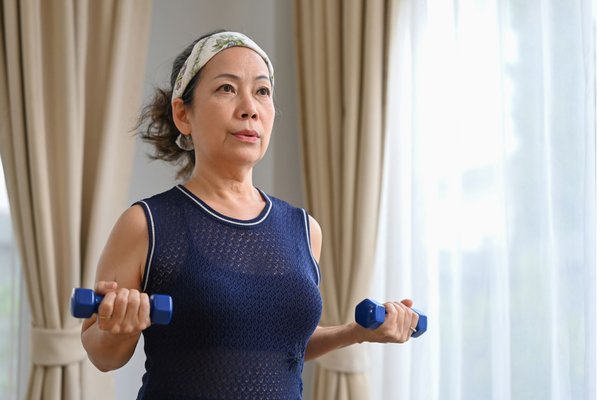

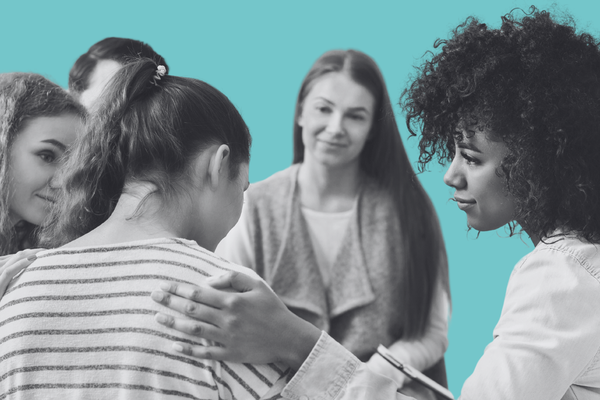
Webinar: Living well with the menopause
I slowly felt myself changing and being a person who I did not recognise.
Madhu
With 67% of women saying their menopause symptoms had a mostly negative effect on them at work, find out how to navigate working while going through the menopause and what we’re doing to improve women’s health in the workplace.




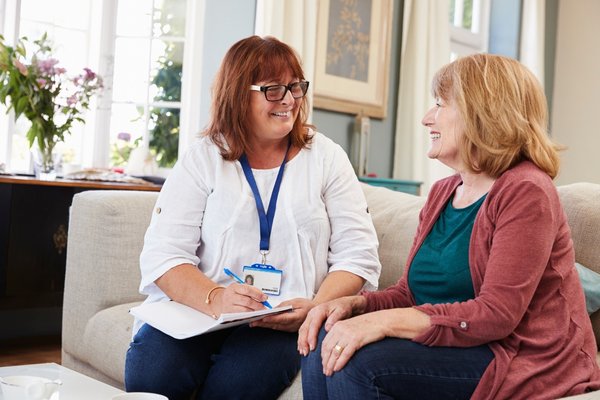

As a women’s health charity, part of what we do is fund research to save and change the lives of women, girls and babies. Read more about our research supporting understanding of the menopause.
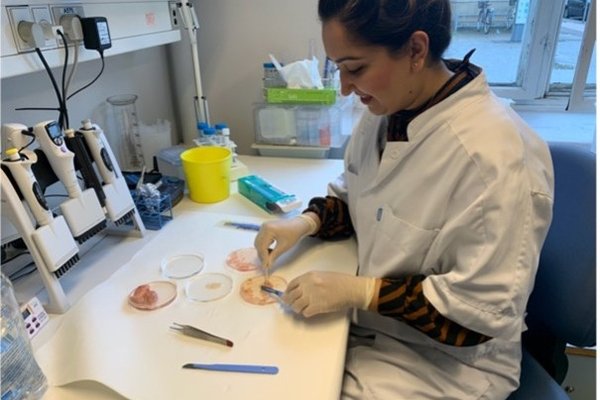
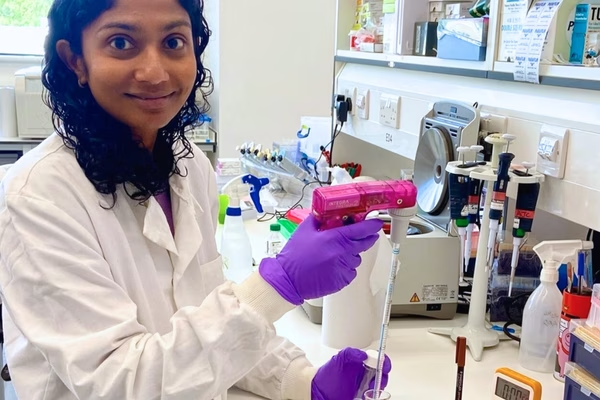

We use the terms “women”, “girls”, and “people who menstruate” to reflect the fact that while most individuals affected by menopause are women, some trans, non-binary and intersex people can experience it too. Everyone who needs high quality information, treatment, care and support should be able to access it.