
Let’s End Pelvic Health Taboo
Want to learn about your pelvic floor? Join our expert panel to find out about common issues and how you can access healthcare and support
Wellbeing of Women has invested over £160,000 to support the research of speciality pelvic floor doctor Joseph O’Sullivan for patient-centred research into the causes of mesh-related pain
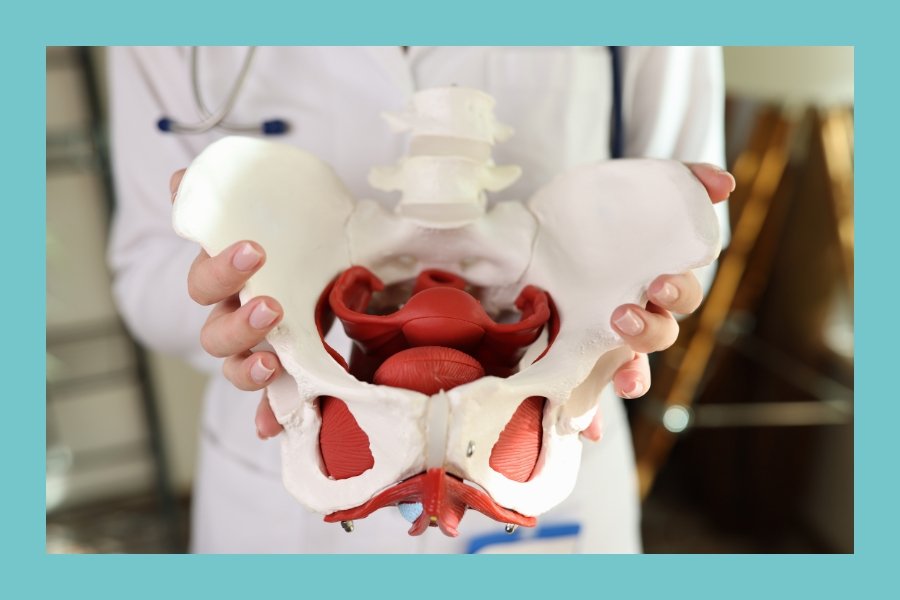
Prolapse and stress urinary incontinence are conditions that affect the organs of the pelvis. Prolapse is when organs in the pelvis such as bowel, bladder or uterus change position and move down in the pelvis, often following childbirth, and can come with a feeling of heaviness, bulging or pain. Stress urinary incontinence is the loss of urine in moments of ‘stress’ – sneezing, running or laughing (also known as leaky bladder). Together, they affect up to 1 in 2 women and can have a significant impact on women’s daily quality of life when left untreated.
It’s so important that we proactively make space to support women to talk about their pelvic floor problems
Dr Joseph O'Sullivan
Wellbeing of Women Research Training Fellowship Awardee
A small medical device called a polypropylene mesh is used to treat these conditions – and others - in the UK. In 2018, however, the UK government halted their use in certain cases: for many women who’d had meshes inserted to treat incontinence, mesh seemed to come with unbearable side effects. Chronic pain, excruciating sex, difficulty sitting, standing and walking, back and leg pain, and even suicidal thoughts were reported by hundreds of women. Many women found that their original symptoms did not improve, or even got worse, after mesh.
According to the NHS, over 100,000 women in the UK received mesh for incontinence between 2008 and 2017. While not all women experience pain after mesh, enough reported chronic pain and a strong enough desire to have their mesh removed that, by 2020, specialty mesh clinics had been set up around the UK. Patient advocacy groups such as Sling the Mesh and investigative journalists exposed a story of rushed approval by the FDA in 2002, without adequate clinical testing in women, followed by decades of dismissal from healthcare providers who did not understand their pain.
Pelvic meshes became a national scandal that resulted in an independent medical review and calls for compensation for patients. While the issue is now well-recognised, critical and urgent questions remain unanswered: Why do some women experience excruciating and persistent pain following mesh surgery, while others don’t? And what treatments are there for women today when mesh is not an option?
Researcher and speciality pelvic floor doctor Joseph O’Sullivan is hoping to provide answers. Previous research has shown that removed meshes are host to what is known as a biofilm, a hardy layer of bacteria attached to a surface – in this case, the mesh. Researchers suspect that the presence of biofilms might be causing pain in some patients. But some women, who have had their mesh removed for other reasons, did not experience pain - even though their mesh had a biofilm. Could there be differences in women’s immune responses to bacteria that explain pain?
And finally, if surgeons go to great lengths to ensure that surgical equipment and environments are sterile, how are bacteria ending up on mesh in the first place? These are the questions that Dr O’Sullivan is hoping to answer.
First, Joseph is going to fill the (unacceptable but all-too-common) gap in women’s health science. After reviewing what current science says about biofilms, meshes and pain, he will be able to ask how this information can be used to help women with pelvic mesh issues,
Samples (urine and vaginal) will be taken as part of routine care that women receive when attending the clinic for surgery and for follow up appointments after six months. Testing these samples will allow Joseph to see what bacteria is present in both areas and, crucially, whether it makes sense that bacteria in the vagina were making their way onto meshes during surgery.
Joseph will then analyse removed painful meshes. This will not only enable him to identify the source of bacteria on meshes but also to understand how an individual woman’s immune system responded. Importantly, he will also analyse the meshes of women who don’t have pain, which will allow him to see whether individual women's pain was from bacteria - or from an immune response gone haywire.
Lastly, he will create information leaflets to provide explanations and other options for treatment. These materials will be discussed with women, and their input will shape the final designs.
The work has the potential to help women who desperately need answers, as well as supporting healthcare providers with the evidence they need to provide high-quality care to patients.
The work has the potential to help women who desperately need answers, as well as supporting healthcare providers with the evidence they need to provide high-quality care to patients.
Dr Joseph O’Sullivan is an Obstetrics and Gynaecology doctor at a nationally renowned urogynaecology department in the NHS. His early training in women’s health inspired him to pursue a career focusing on pelvic floor health. He said: “The experience I gained as a student in labour and delivery meant that I felt more comfortable asking questions about pelvic floor symptoms [when working in other areas of medicine]. You start to understand how prevalent and life changing these issues are for women. It’s so important that we proactively make space to support women to talk about their pelvic floor problems”.

His goal is to use clinical experience alongside academic research to develop better explanations, diagnoses and treatments for women, and to help design safer devices and care. An ambitious clinician and academic, Joseph is part of the next generation of clinicians and researchers ensuring that women’s voices are central to women’s health research.
Want to learn about your pelvic floor? Join our expert panel to find out about common issues and how you can access healthcare and support
Join Dr Lucy Whitaker and Dr Lorraine Harrington to talk about pelvic pain – diagnosis, causes and treatments.

Urinary incontinence is when pee (urine) leaks out accidentally. There are different causes and ways to manage it, including medication and lifestyle changes.
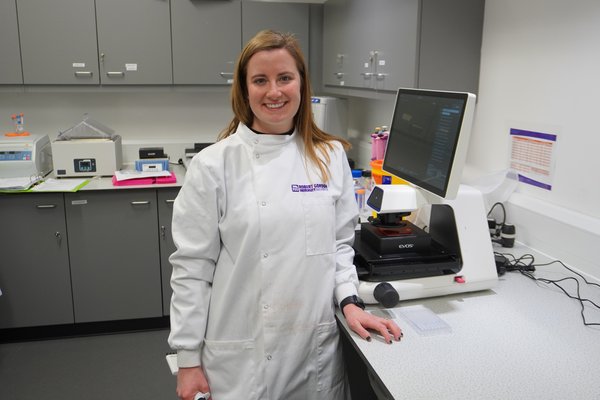
Dr Gael Morrow and her team at Robert Gordon University in Aberdeen are experts in studying blood. With new funding from Wellbeing of Women, they are going to use their knowledge in blood science to see if they can help women suffering from endometriosis.

Wellbeing of Women, in partnership with the British Gynaecological Cancer Society (BGCS), are funding new work by Dr Shimrit Mayer at the CRUK Cambridge Institute on improving the outlook for ovarian cancer patients

Wellbeing of Women has invested nearly £300,000 in midwife Michelle Anderson’s PhD exploring how general anaesthetic caesarean birth affects parental mental health, infant bonding and family relationships - and how we can better support them.