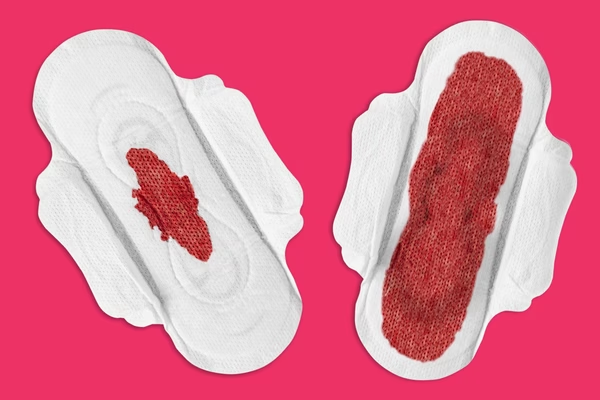
What are heavy periods?
Heavy bleeding during your period can feel scary, upsetting and embarrassing. Although it’s common, it’s not something you have to accept as “just a period” - there are treatments that can help.
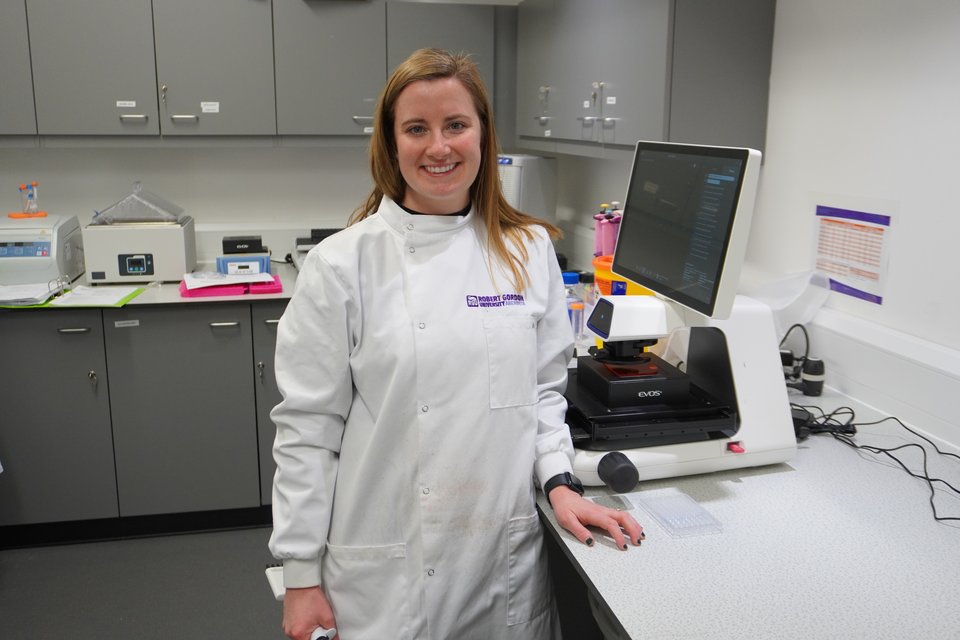
Dr Gael Morrow and her team at Robert Gordon University in Aberdeen are experts in studying blood. With new funding from Wellbeing of Women, they are going to use their knowledge in blood science to see if they can help women suffering from endometriosis.
When we think of the red liquid that carries oxygen through our veins, it’s easy to imagine blood as a passive substance, carrying oxygen and other chemicals around the body. But blood is a living tissue, and anything but passive.
Blood can adjust and adapt to its environment in incredibly varied and useful ways. One of the most important things that blood can do is form a clot - by becoming thicker and stickier. When a blood vessel gets damaged, by a cut, for example, clotting helps us stop bleeding and gives blood vessels and surrounding tissues protection while they heal.
The womb – the source of monthly menstrual bleeding – seems like a logical place to apply knowledge about blood. And yet so little of what we know about blood considers how it works in the womb.
The womb – the source of monthly menstrual bleeding – seems like a logical place to apply knowledge about blood. And yet so little of what we know about blood considers how it works in the womb.
For people with endometriosis, tissue that lines the womb (endometrial tissue) grows in other places, usually in and around the pelvis. It can be an incredibly painful condition and seriously affects quality of life, not least because women wait, on average, 9-11 years for diagnosis. There is no ‘cure’ for endometriosis and the methods currently available for managing its symptoms are imperfect. They simply don’t work for many women. Diagnosing endometriosis is notoriously difficult and requires invasive key hole surgery. Combined, these factors reflect a reality where women are not getting the care they need, and better understanding of the condition is desperately needed.
Dr Gael Morrow, and her team at Robert Gordon University in Aberdeen, are experts in blood. Gael has over 10 years’ experience researching how blood works, specifically how clots form and break down. Her previous research explored making blood transfusions safer and better and led to improvements in routine care.
Now, with new funding from Wellbeing of Women for a three-year Postdoctoral Research Fellowship, Dr Morrow will apply her specialist knowledge to explore questions surrounding endometriosis.
Past research has shown several things that might contribute to endometriosis: for example, the backwards flow of menstrual fluid into the ovarian tubes. But this backwards flow, or retrograde menstruation, is normal for many women and does not always lead to endometriosis. So why does this lead to endometriosis in some women and not in others?
The body has a routine process for making sure that blood flows well and where it should (called haemostasis). Part of this process is making blood thicker (called coagulation) and then thinner, returning it to a more liquid, easy-flowing state (called fibrinolysis). Previous research suggests that endometriosis patients might have issues with the balance of haemostasis – specifically that they may have too much of a protein that prevents the thinning of blood.
Dr Morrow and her team will analyse the many proteins that control these two processes – blood clotting and blood thinning – to see if abnormal levels could be used to diagnose endometriosis. Specifically, they will look at these proteins to see if they encourage the body to lay down womb tissue where it shouldn’t.
Dr Morrow and her team will analyse the many proteins that control blood clotting and blood thinning to see if abnormal levels could be used to diagnose endometriosis.
Such a finding could reduce diagnosis times and significantly improve the quality of life for the women seeking relief from endometriosis.
Every piece of research that goes into demystifying the womb brings us one step closer to making sure that women are no longer left behind by science, and Dr Morrow’s project is an incredibly exciting step along the way.
Gael is Chancellor's Fellow in the School of Pharmacy & Life Sciences at Robert Gordon University. Her previous research explored the cellular and molecular mechanisms that result in bleeding disorders, and she is the recipient of multiple prizes and awards for research and leadership, most recently of the 2024 International Society for Thrombosis & Haemostasis Young Investigator Award.
Her interest in heavy menstrual bleeding inspired her to address the gap in menstrual health research. Gael said: "I am excited about the prospect of identifying [a biomarker for endometriosis] - even if it might take many years of hard work to get there! It feels exciting to be contributing to that knowledge gap, which will hopefully translate into improvements in diagnosis time and treatments for patients."
Heavy bleeding during your period can feel scary, upsetting and embarrassing. Although it’s common, it’s not something you have to accept as “just a period” - there are treatments that can help.
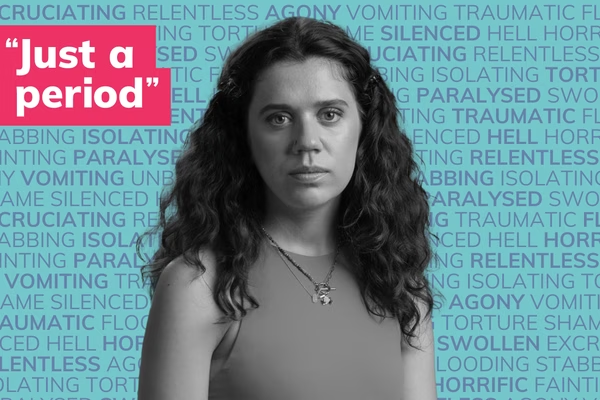
You don't need to accept severe period pain or heavy bleeding. Join the campaign.
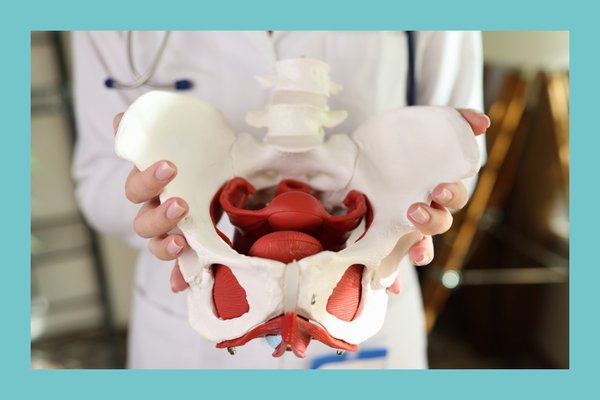
Wellbeing of Women has invested over £160,000 to support the research of speciality pelvic floor doctor Joseph O’Sullivan for patient-centred research into the causes of mesh-related pain
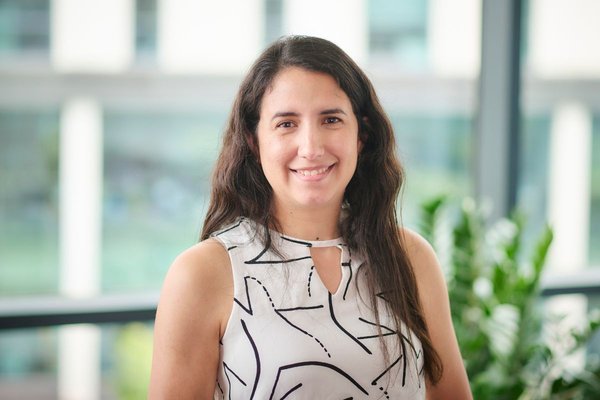
Wellbeing of Women, in partnership with the British Gynaecological Cancer Society (BGCS), are funding new work by Dr Shimrit Mayer at the CRUK Cambridge Institute on improving the outlook for ovarian cancer patients
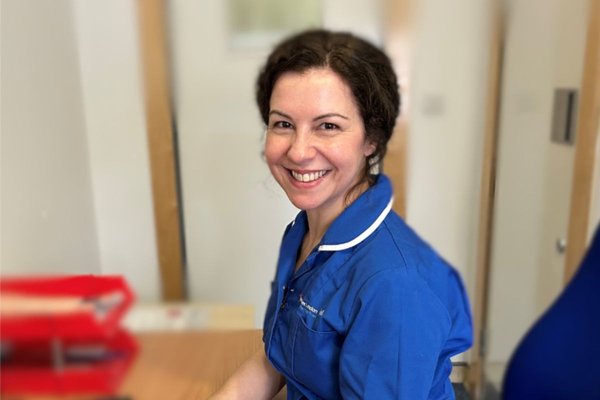
Wellbeing of Women has invested nearly £300,000 in midwife Michelle Anderson’s PhD exploring how general anaesthetic caesarean birth affects parental mental health, infant bonding and family relationships - and how we can better support them.