Big Give Women and Girls Appeal 2025
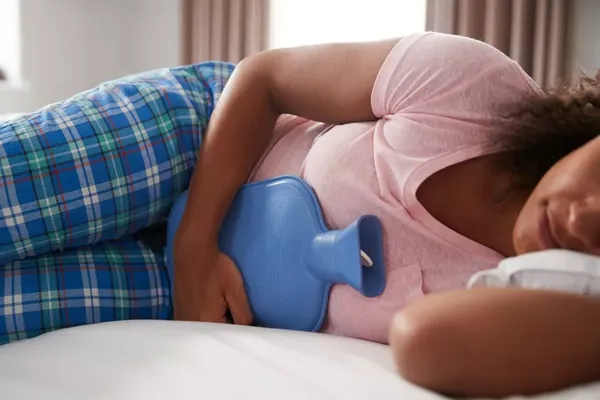
Our Big Give Women and Girls Campaign is live! Nobody should suffer from period symptoms holding them back.
Like many other women in this community, it has taken many years to be acknowledged with endometriosis, a debilitating condition that I have learnt to manage.
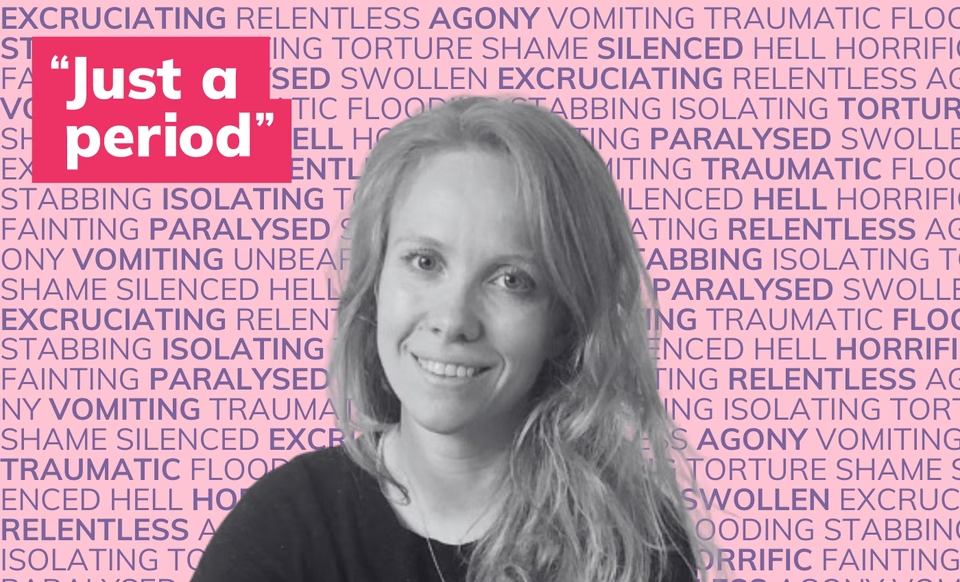
Here, Isabella shares her story as part of our “Just a Period” campaign.
When I was 25, I was diagnosed with a borderline ovarian tumour, which are abnormal cells that form in the tissue covering the ovary.
It resulted in the loss of my right ovary, which was hard for me to accept. This traumatic ordeal could have been prevented. For months, I'd been experiencing extreme bloating, stomach pain, constipation, nausea, acid reflux and fatigue. I had visited my doctor several times but I was constantly dismissed. My doctor thought that I may be experiencing IBS due to stress and referred me to a nutritionist. Eventually I got the right diagnosis.
But this wasn't the end of my journey. Fast forward a couple of years, and I'd received an endometriosis diagnosis and had a two-part endometriosis surgery to remove an endometrioma on my left ovary that appeared to have a small abnormality.
IVF was an emotionally exhausting process and not something I thought I would have to endure, whilst my friends were starting to settle down"
Unfortunately, despite being on the hormonal coil, the endometrioma returned a few months later. I was very upset. The consultant advised that I try microgynon for six months to try and suppress the endometrioma.
When I was 30, I was offered the opportunity to preserve my fertility through IVF, due to my low ovarian reserve. I was able to have two embryo's banked through the process.
However, IVF was an emotionally exhausting time, not something I thought I would have to endure at the age of 30, while my friends were starting to settle down. It was a particularly isolating time, as I didn’t know anyone that had been through this. Attending charity meet ups and being a part of online forums and social media has been a great support.
But sadly, the ovarian cyst continued to increase in size. And during the peak of the pandemic the decision was made to have surgery, I only had few weeks' notice. This was a difficult time for me, as I was slowly coming to grips with what COVID-19 was and the impact it was having on the health care services.
I was then prescribed a medication called dienogest for six months. Due to side effects, I decided to take a break from all treatments.
When I reflect on my journey, endometriosis has affected my life physically and emotionally. Over the years I have had to educate my family and friends and turn down work opportunities.
The trauma of surgery and living with scars has affected my mental health and body image.
I have been unable to work full-time, which has affected my professional development. I have lost out on career opportunities and financial security.
Over the years I have had to educate my family and friends and turn down work opportunities.
When my health has allowed me, I have worked part-time as a visual stylist, customer service executive, creative packer, housekeeper, copy editor and proofreader. I decided to train as a yoga teacher and women’s health therapist, in the hope that one day I could support women at all stages of their life.
It is so important that employers understand that people’s symptoms with long-term health conditions may vary from day to day. Changes like reduced hours, time for appointments and menstrual leave if needed can make a huge difference to a workforce.
Like many other women in this community, it has taken many years to be acknowledged with this debilitating condition, that I have learnt to manage.
Endometriosis can come with a high burden of comorbidities. Chronic fatigue, for example, is a common symptom of endometriosis that I have been diagnosed with.
My advice is:
Isabella Fricker is a UK-based women’s health advocate and yoga teacher/therapist at yogawithizy.co.uk. Yoga with Izy supports women through their life cycles - focusing on pelvic health and overall well-being. Her online classes include gentle breathwork & stretches, therapeutic massage, mindful movement and restorative stillness.
If you can relate to Isabella’s story, you could have a medical condition that needs treatment. Always see your doctor if you have any concerns.
Find more information and advice in our periods information hub. We have articles on your rights a work when you have painful or heavy periods, what do if you are dismissed by your healthcare professional and more.
If you need to access a support service, please visit our helplines and support services page.
Our Employer Membership Programme gives large and small organisations the knowledge, skills, and resources they need to support women’s health in the workplace place.
Our programme will help you develop policies and effective measures on women’s health issues across the life course, from periods, fertility, and pregnancy, to gynaecological cancers and the menopause.
Our Big Give Women and Girls Campaign is live! Nobody should suffer from period symptoms holding them back.
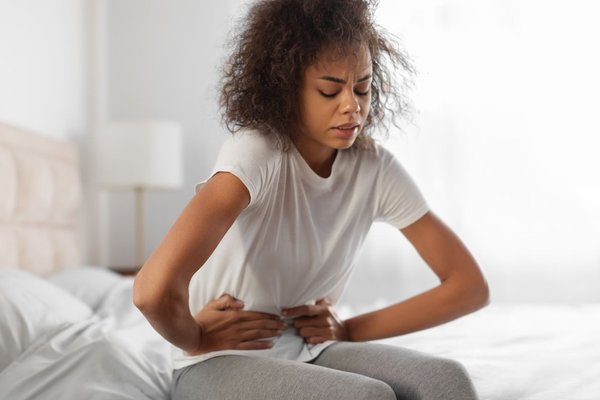
This April, let's raise awareness of adenomyosis, an often overlooked condition that can cause heavy, painful, or irregular periods, affecting around 1 in 10 women in the UK.
The report is part of the launch of Wellbeing of Women’s Period Symptom Checker